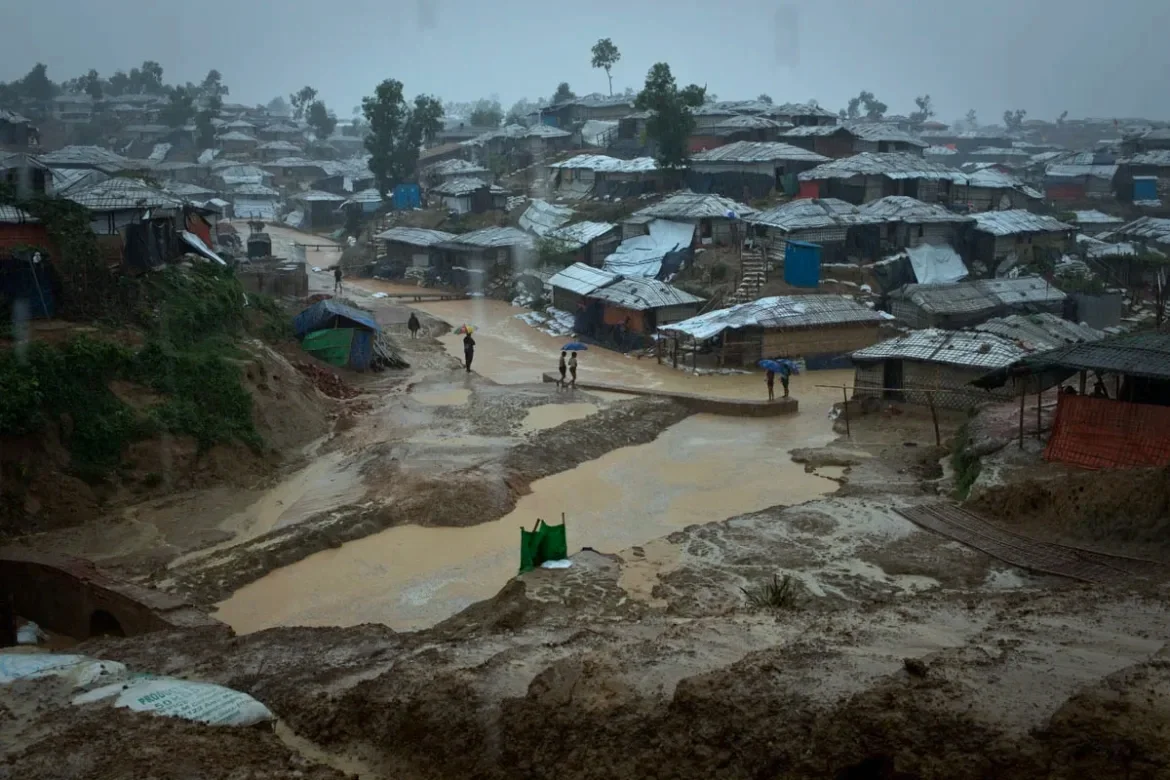
Protecting the world's largest refugee camp from mosquitoes
Before this year's monsoon, we are launching a pilot with UNHCR to protect 10% of the Rohingya refugee camps — for under $0,96 per person per year.
To make this pilot a success we need your support.
Help us protect 143,000 people this year, and a million the next.
in the hardest test our technology will ever face.
Why now? The rains won't wait. Neither will the mosquitoes.
Pediatric epidemic ticking bomb

Of 1.2 million Rohingya refugees 50% are children under 15 years
highest population density on the planet - 47 500 people /km2
81% of aid funding lost since 2025
7$ / month / person food rations
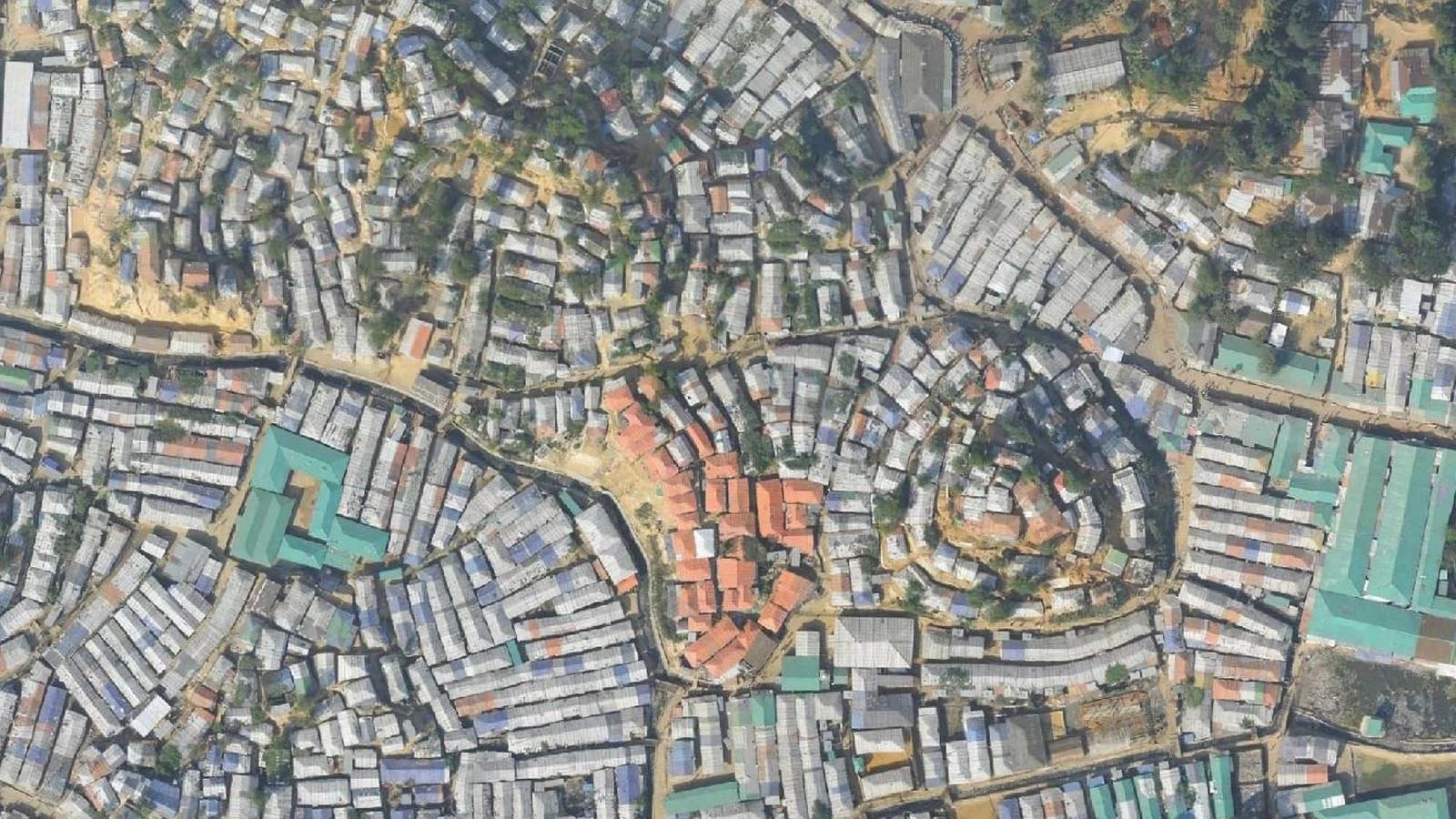
In 2023 - more dengue deaths than in the previous 23 years combined (in Bangladesh)
90.2% of all confirmed dengue cases in the Cox’s Bazar district occur within the refugee population
Severe Acute Malnutrition (SAM) children are 11 times more likely to die from infectious diseases like Dengue or Malaria
What:
We deploy 1,200 Molecular Attractions pheromone dispensers across 300 hectares, protecting 143,000 people in the 2026 pilot.
How:
No traditional insecticides. No electricity. No maintenance. Install once, runs 12 months.
Who:
Molecular Attraction + UNHCR
Local staff are recruited from among refugees
Permits in place from RRRC
When:
NOW. Start before the Monsoon season (June)
Full year coverage
Cost:
$137,000 for the pilot. $0.96 per person protected, all-in.
What’s next:
Full rollout to all 33 camps in 2027. ~$290,000 to protect over 1 million people.
Impact:
Dengue, Chikungunya and Malaria caseload reduction as the main target
WHAT HOW & WHEN
we’re doing
All-in cost per person protected, per year
Pheromone dispensers vs. every major alternative
Sources: Molecular Attraction unit economics. WHO field data (IRS, larviciding, fogging). AMF / UNHCR procurement (bednets). Mozambique and Ethiopia peer-reviewed field studies.
$0.26 per person
— at full deployment it is cheaper than other interventions in global health
Work in practice
Mosquito specific pheromones
Continuous, passive release for 12 months, 1-2 gram/ha/day
Installed by local Rohingya volunteers
in 50m × 50m grid 1,200 units across 300 hectares
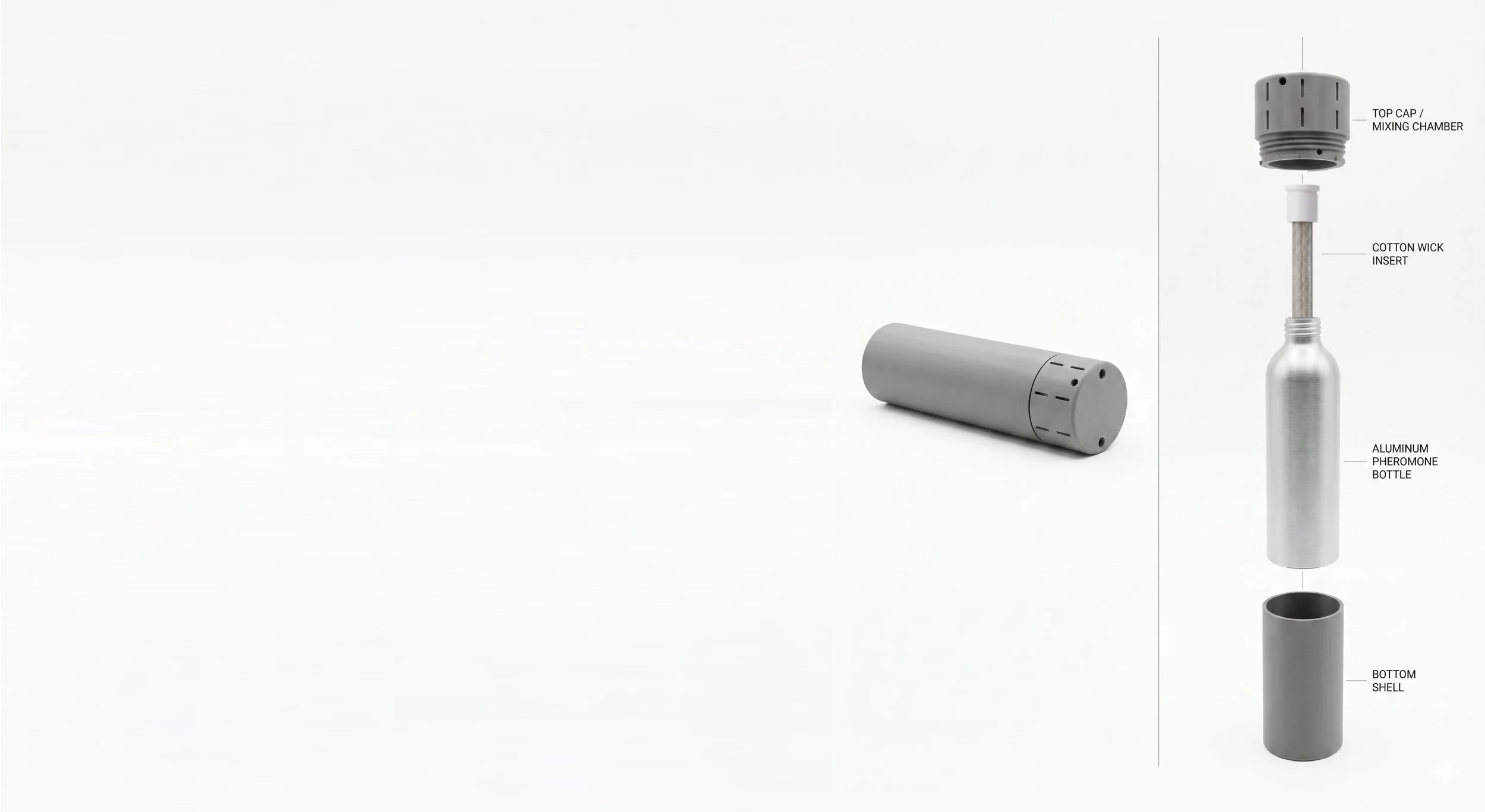
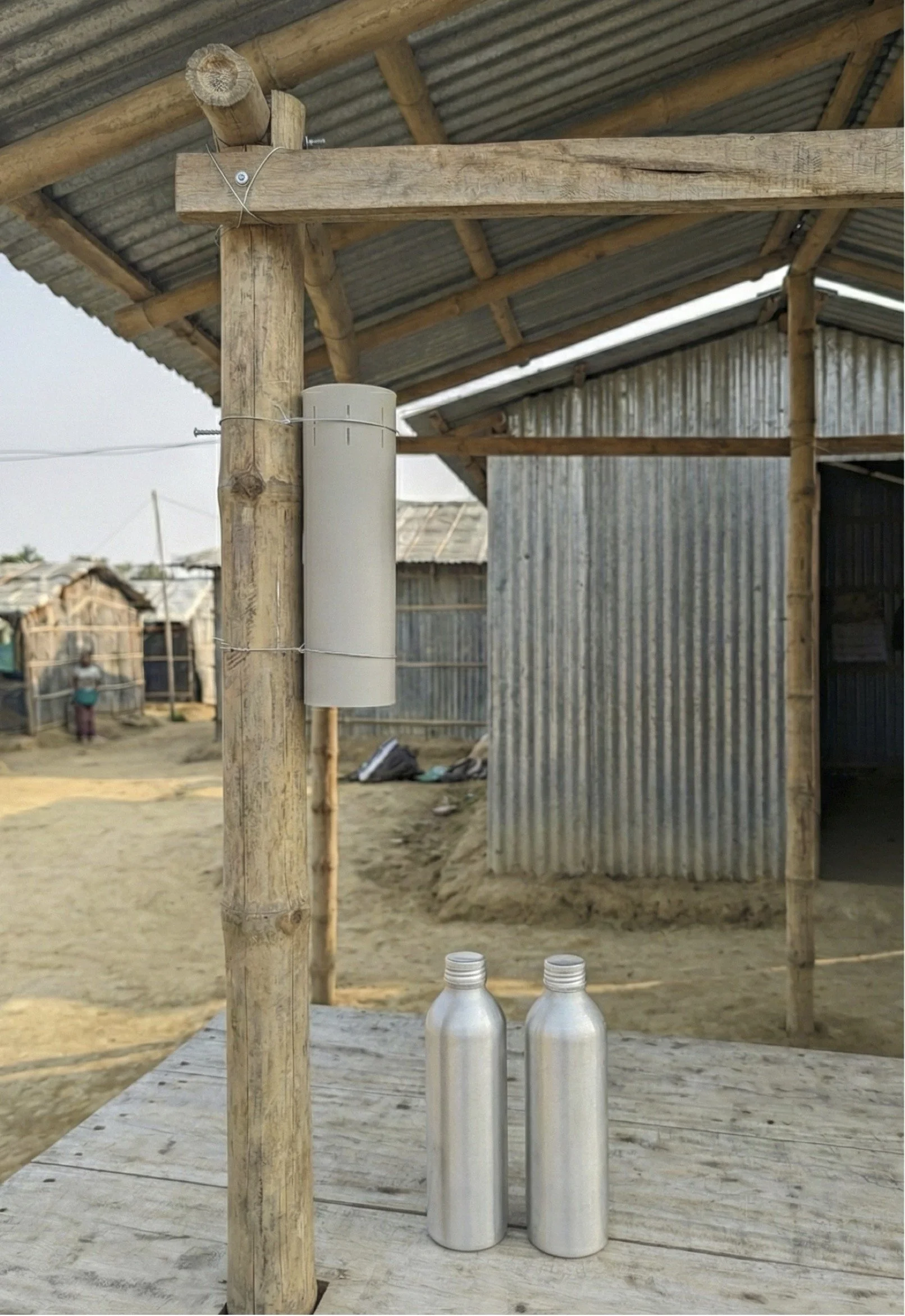
NFC-tagged for location logging, monitoring and retrieval
Manufactured in Europe with final fill-and-finish locally
Budget split: 68% people, 19% materials, 13% logistics
All permits secured and in place
This is the hardest test we'll ever run.This is a fraction of the reasons why it matters:The Rohingya refugee camps in Cox’s Bazar have transitioned from sporadic disease clusters to a permanent, year-round reservoir for mosquito-borne pathogens. Dengue has effectively eclipsed malaria as the primary vector threat, with 2024–2025 data showing sustained transmission regardless of season.
Pyrethroid pesticides have stopped working. After years of routine fogging, Aedes mosquitoes in Cox's Bazar are now resistant to the standard insecticide class — every spray cycle costs the same but kills fewer mosquitoes, and the gap keeps widening.
Long-Lasting Insecticidal Nets (LLINs) offer zero protection against Aedes aegypti and Aedes albopictus, which are daytime biters.
60% of households in the camps report permanent stagnant water in their immediate surroundings. With human density at 47,500 people/km2, the probability of a mosquito finding a host is near 100%.
Confirmed malaria infections in the camps rose 40x from 2021 to 2025
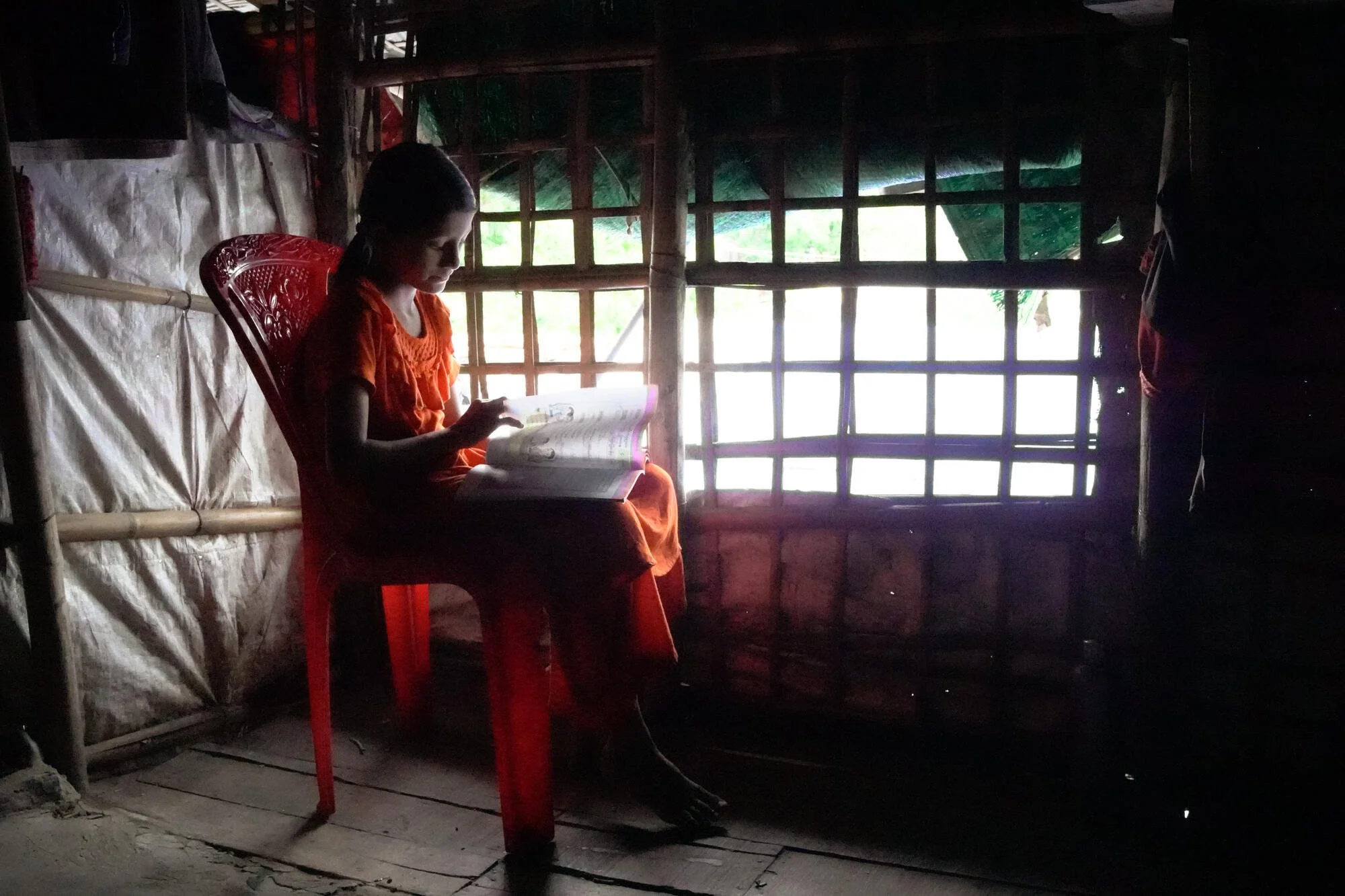
The Scabies-Dengue Double Burden: In early 2026, many children are suffering from a dual-epidemic of Scabies ($36.3 burden in under-5s) and Dengue, leading to chronic sleep deprivation, secondary infections, and mental health decline
In the camps, 23.6% of consultations are for "Unexplained Fever." Without widespread Chikungunya testing, the actual impact in the camps is likely suppressed by 5–10x in official counts.
The Aedes mosquito population in urban centers has tripled in the last four years.
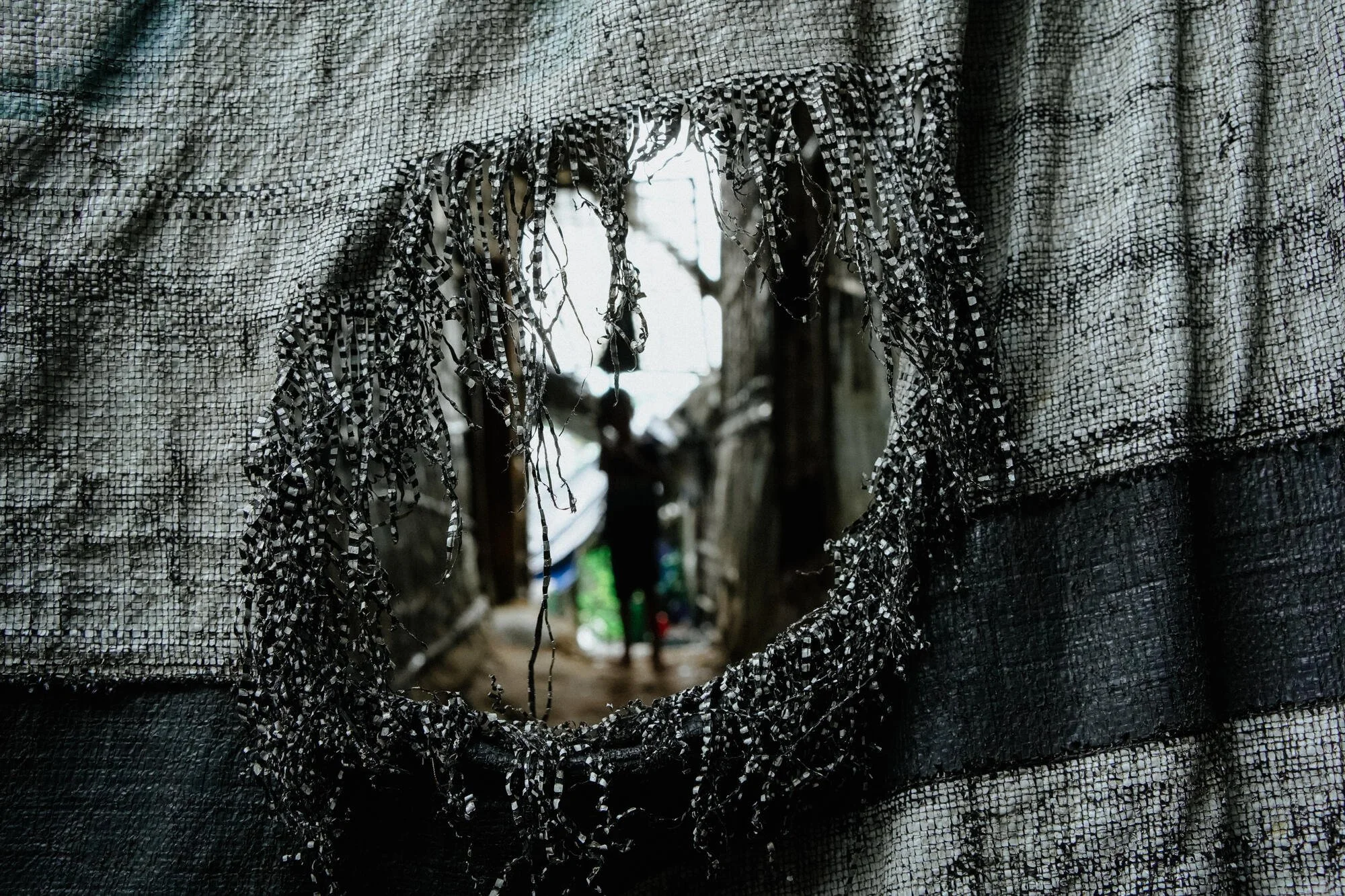
Burning a single mosquito repelling coil in a poorly ventilated tarpaulin shelter—often as small as 5m2 —releases particulate matter (PM2.5) equivalent to burning 75–137 cigarettes and formaldehyde levels equivalent to 51 cigarettes
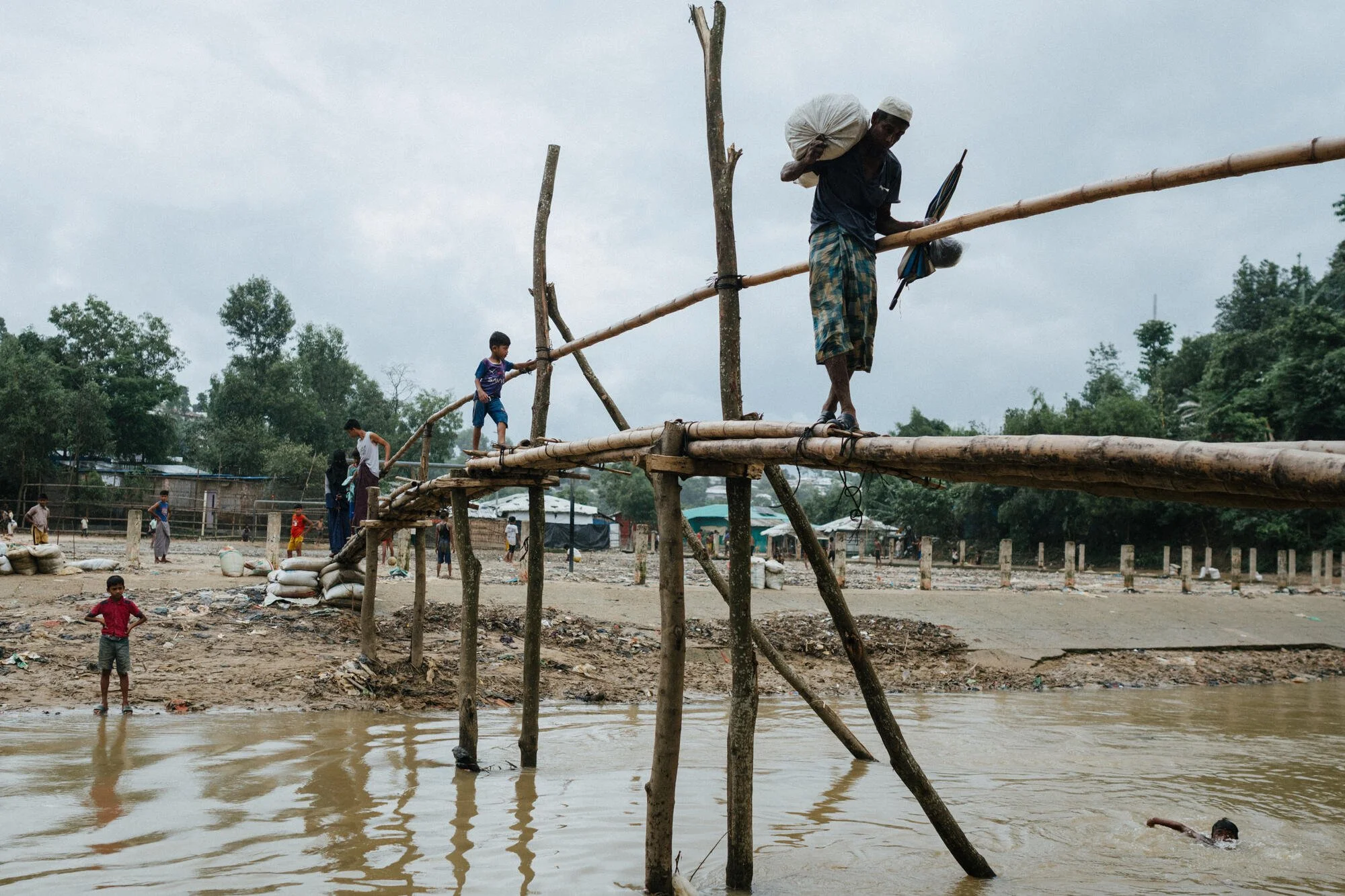
Every bamboo pole used for a shelter, fence, or bridge is a potential nursery. Rainwater traps in the bamboo segments create "vertical breeding" throughout the camp, making traditional ground-level "fogging" or drainage cleaning nearly irrelevant.