Globally,

1 in every 2 people
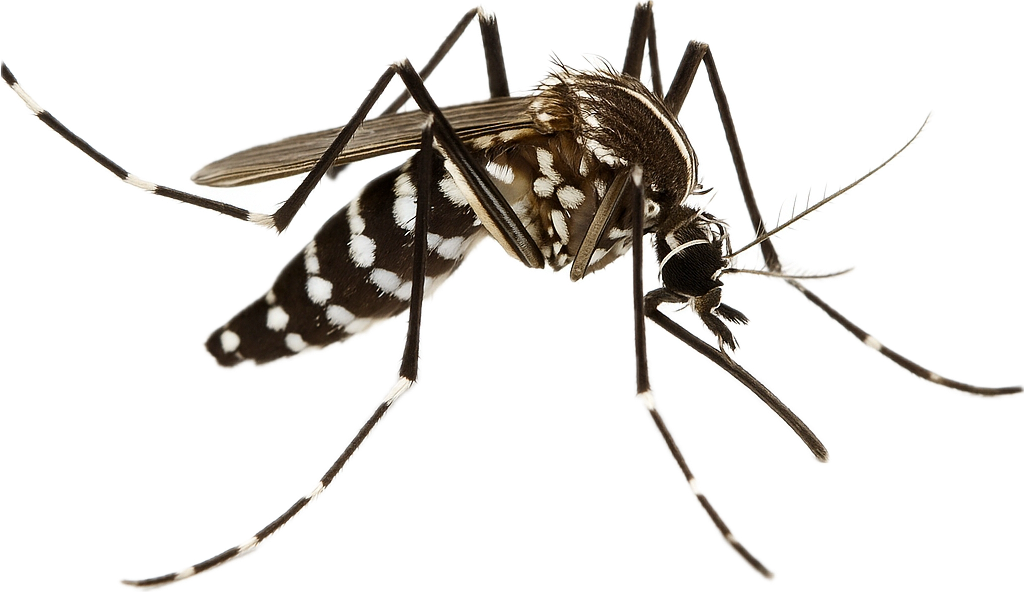
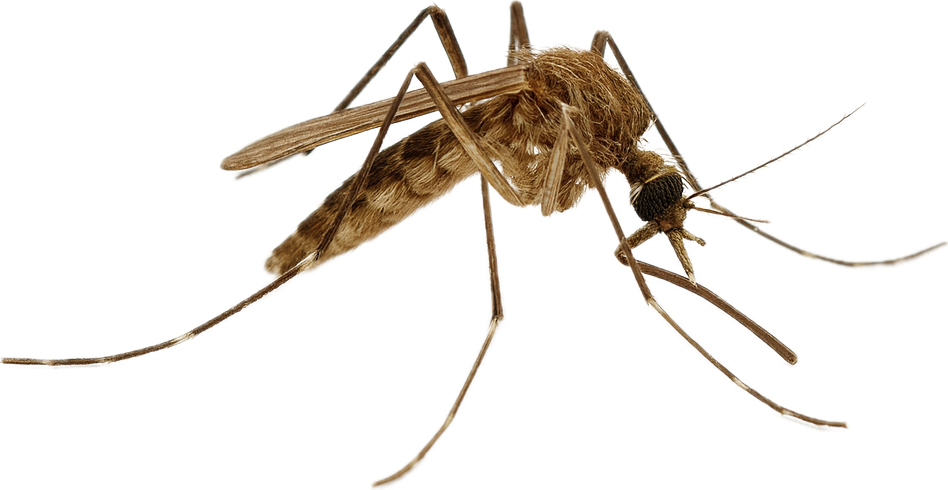
lives at the risk of contracting a Mosquito borne disease.
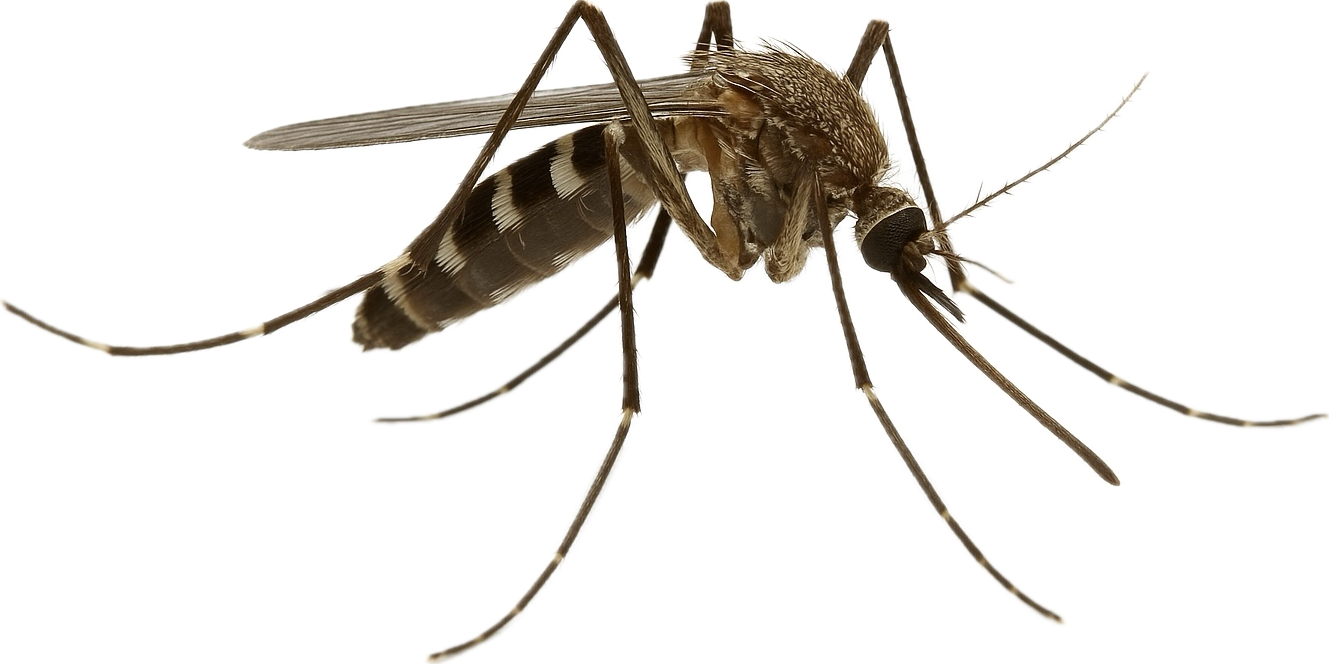
Dengue cases skyrocketed to 14.1 million in 2024- highest ever recorded
30x increase over the last 20 years
Malaria had 263 million cases in 2023 with almost 600,000 deaths
Almost 4 out of 5 deaths were children under the age of 5
Zika cases continue to increase worldwide leaving children with lifelong complications
By 2050, climate change could put 1.3 billion more people at risk of Zika
Millions are infected each year as these diseases spread into new regions. Climate change, rapid urbanization, and globalization are driving this surge. No longer confined to the tropics, diseases like Malaria, Dengue, and Zika have become an ever-present global threat.
This is why what we do matters.
The Mosquitoe’s life cycle
Mosquitoes undergo a four-stage life cycle: egg, larva, pupa, and adult.
The first three stages are aquatic which is why mosquitos seek out sources of stagnant water.
On average, the lifespan of a mosquito is about 14 days in the wild.
Understanding this cycle is essential for controlling mosquito populations.
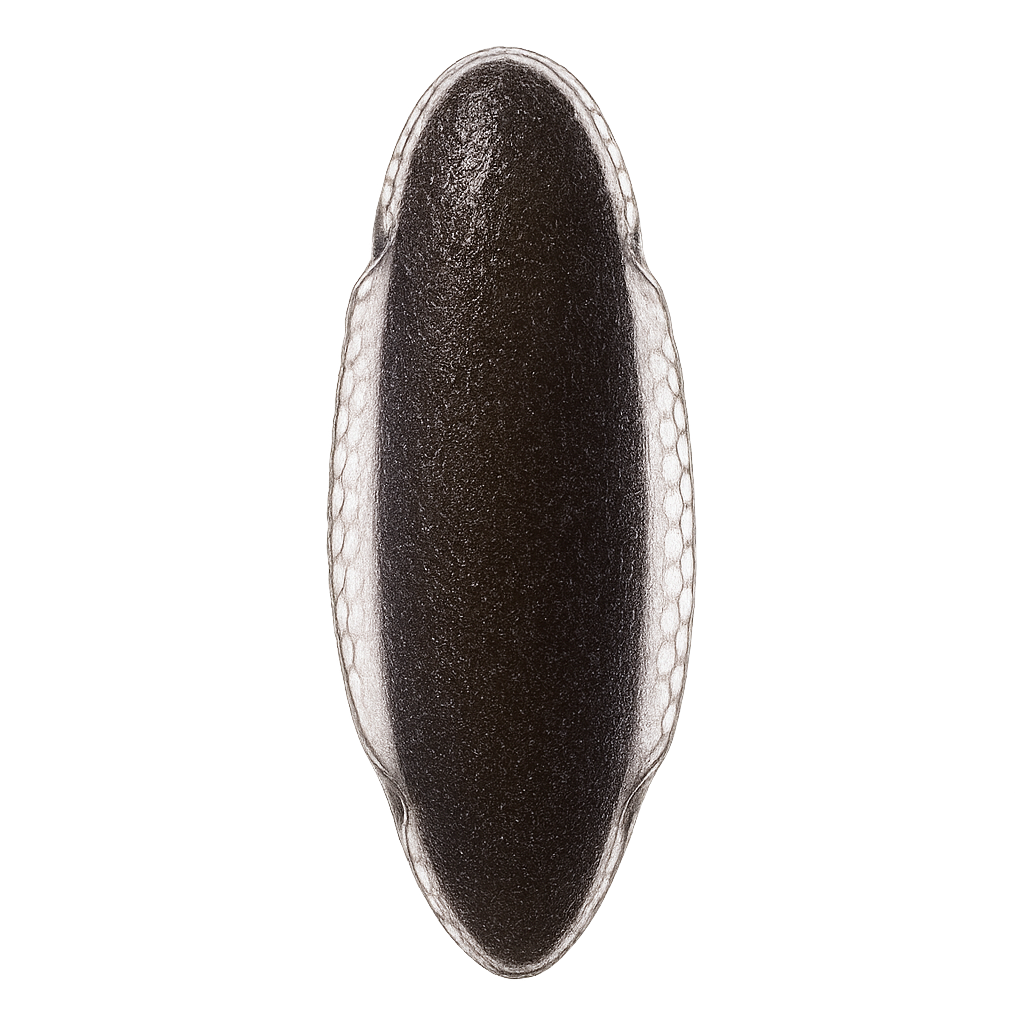
Egg
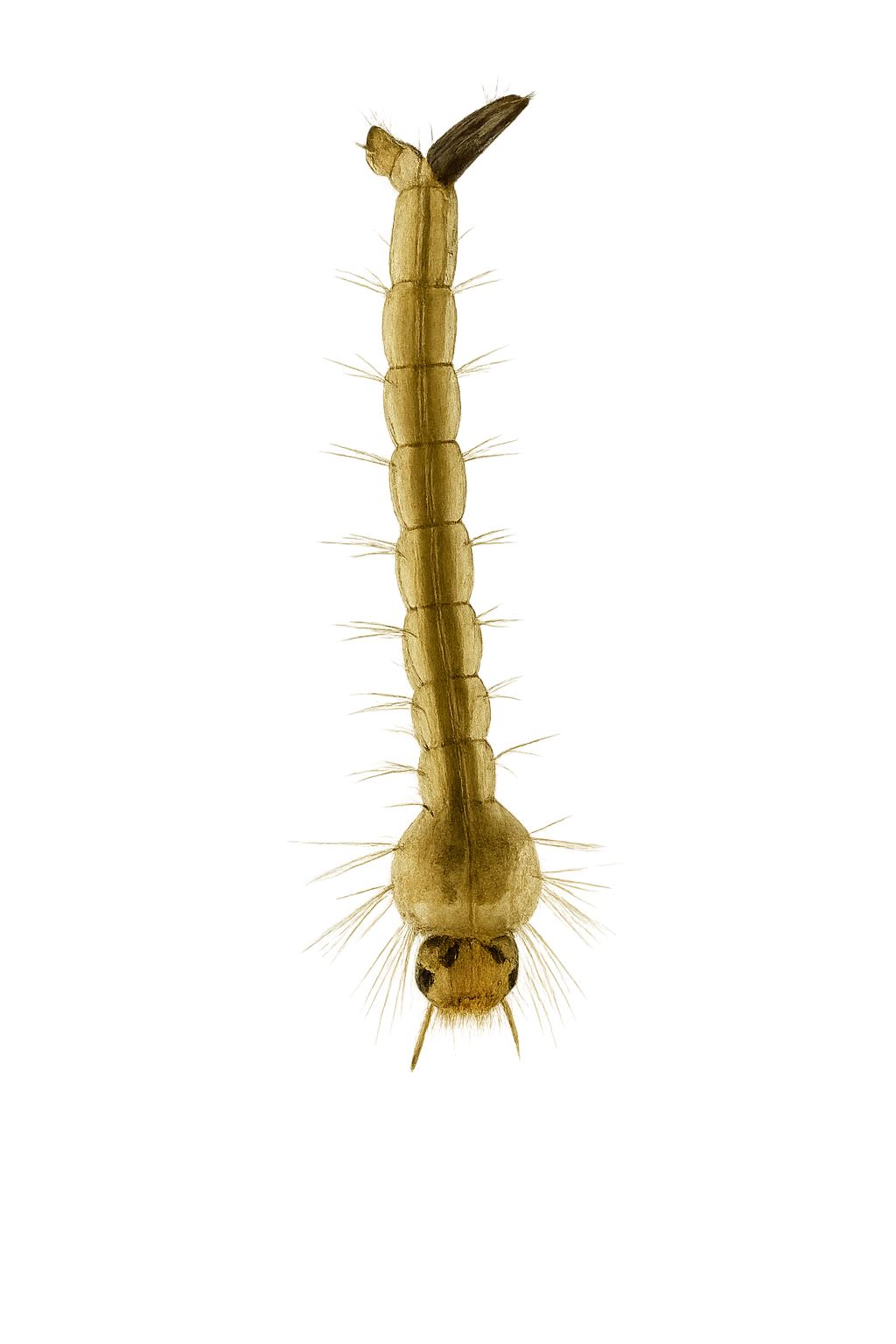
Larva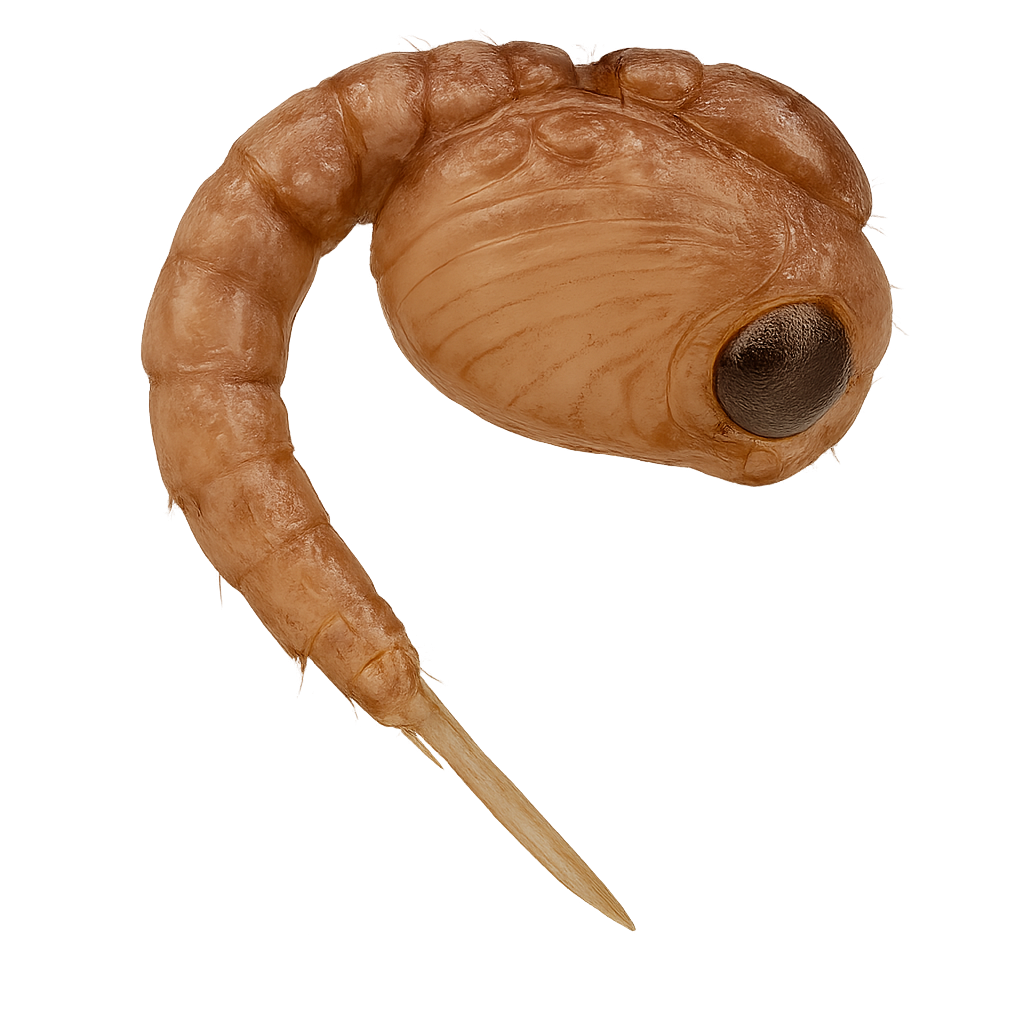
Pupa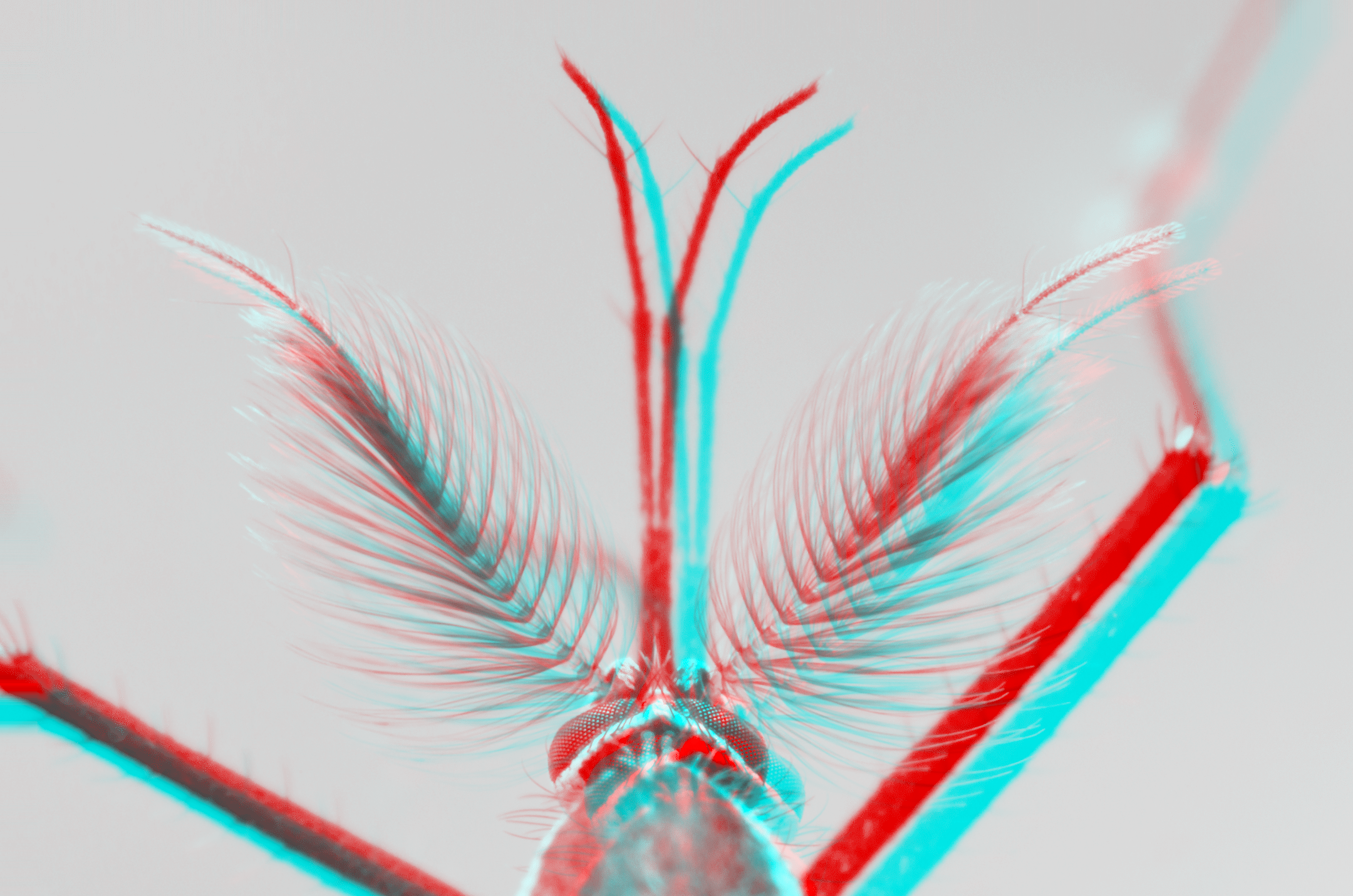
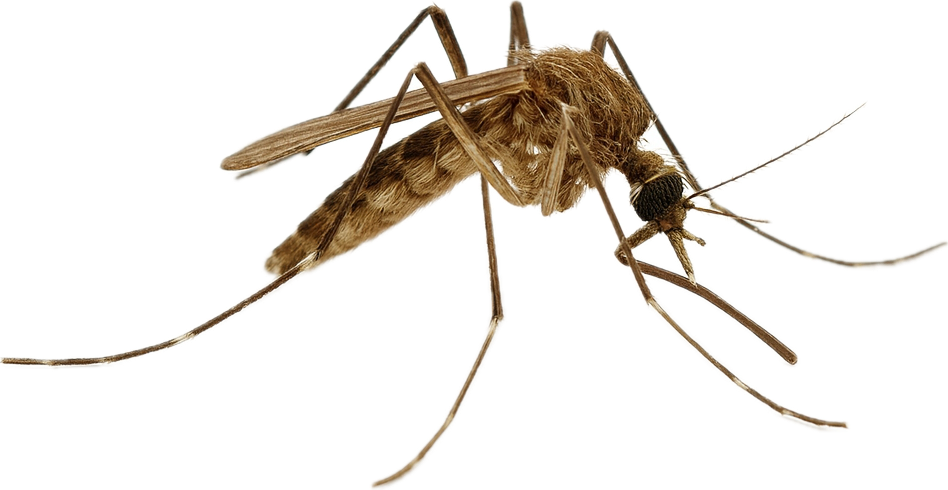
Adult mosquitoOur pheromones are stage specific and target only the adult mosquito
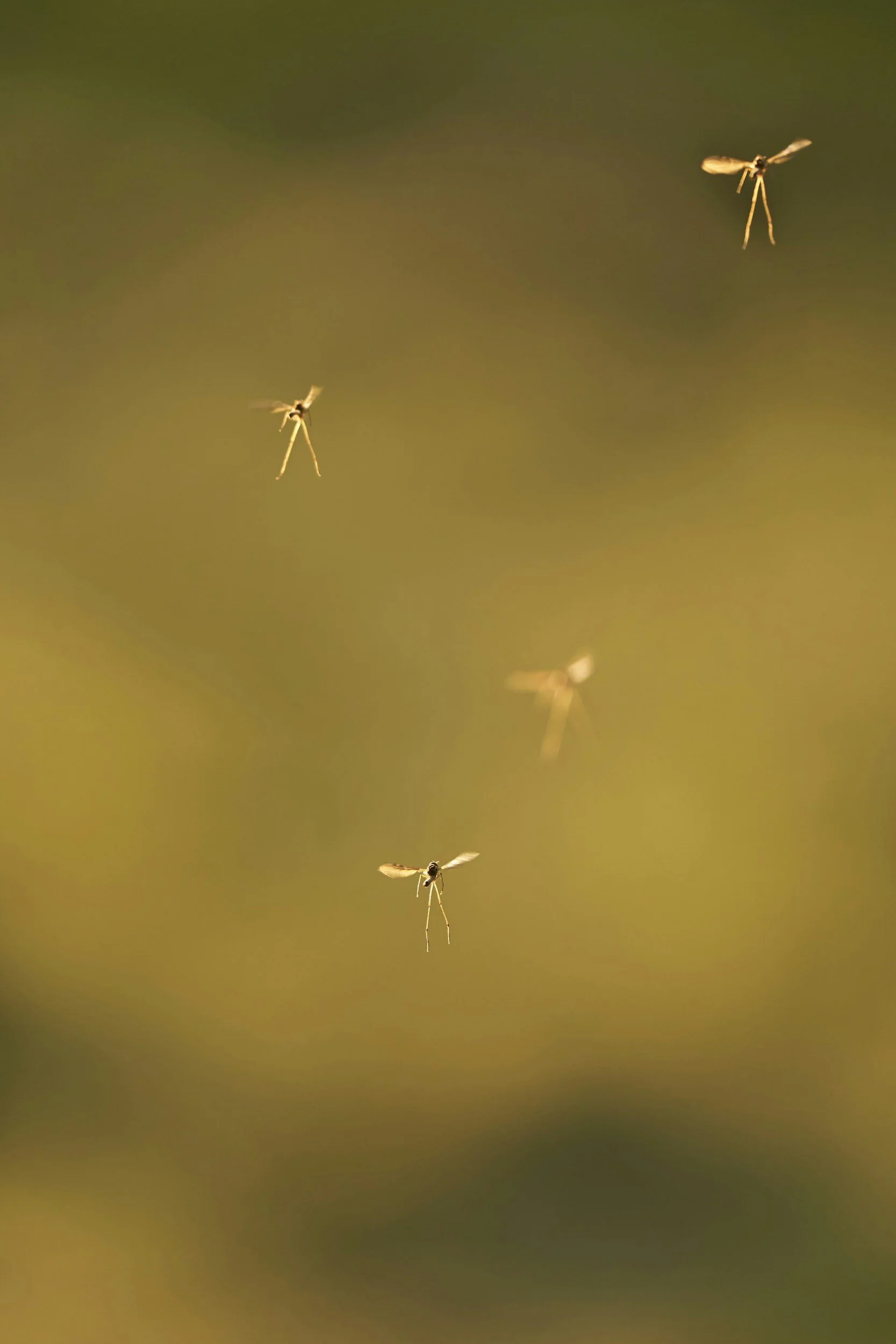
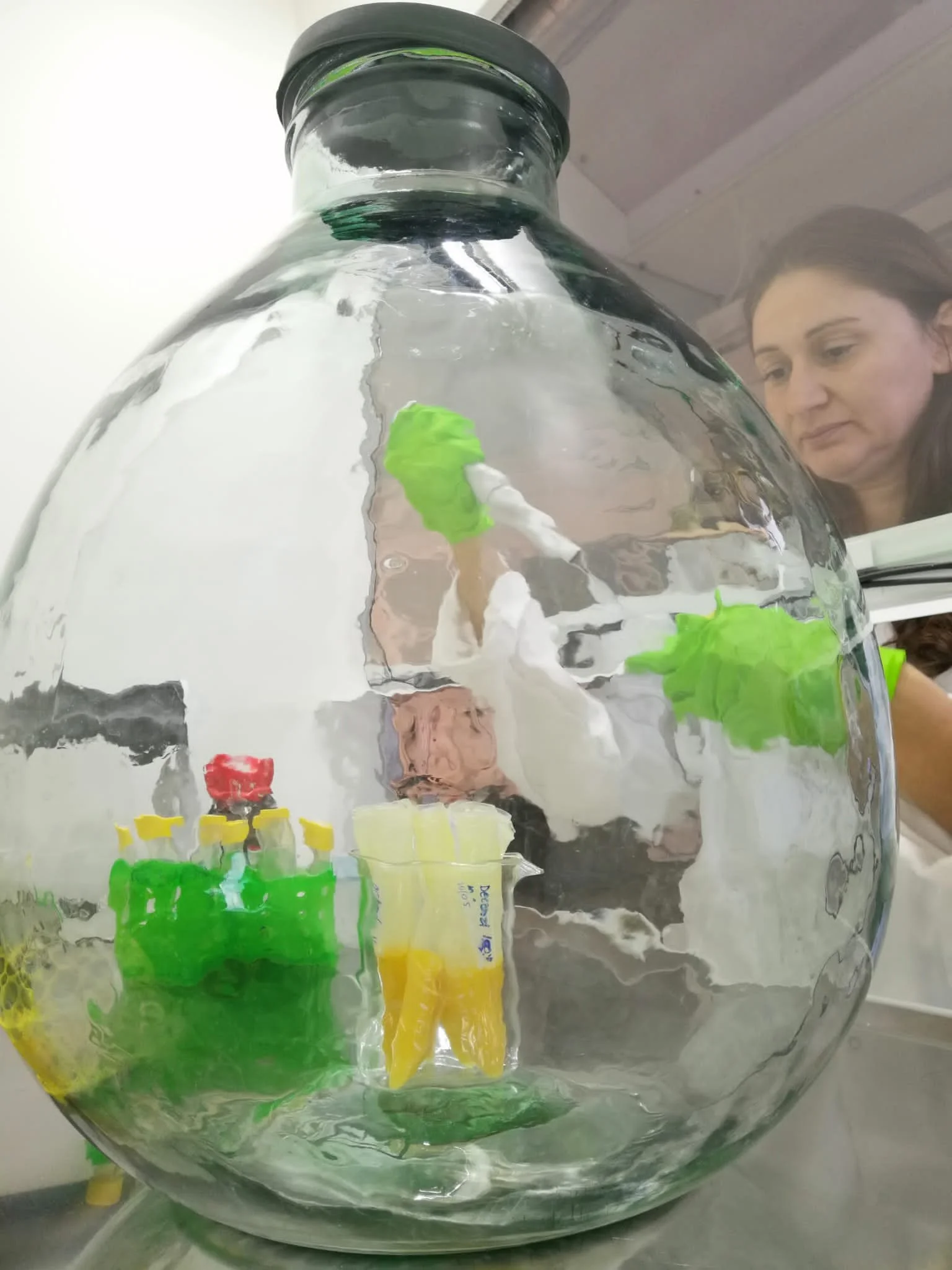
We isolated and identified the male aggregation pheromone directly from mosquito swarms.
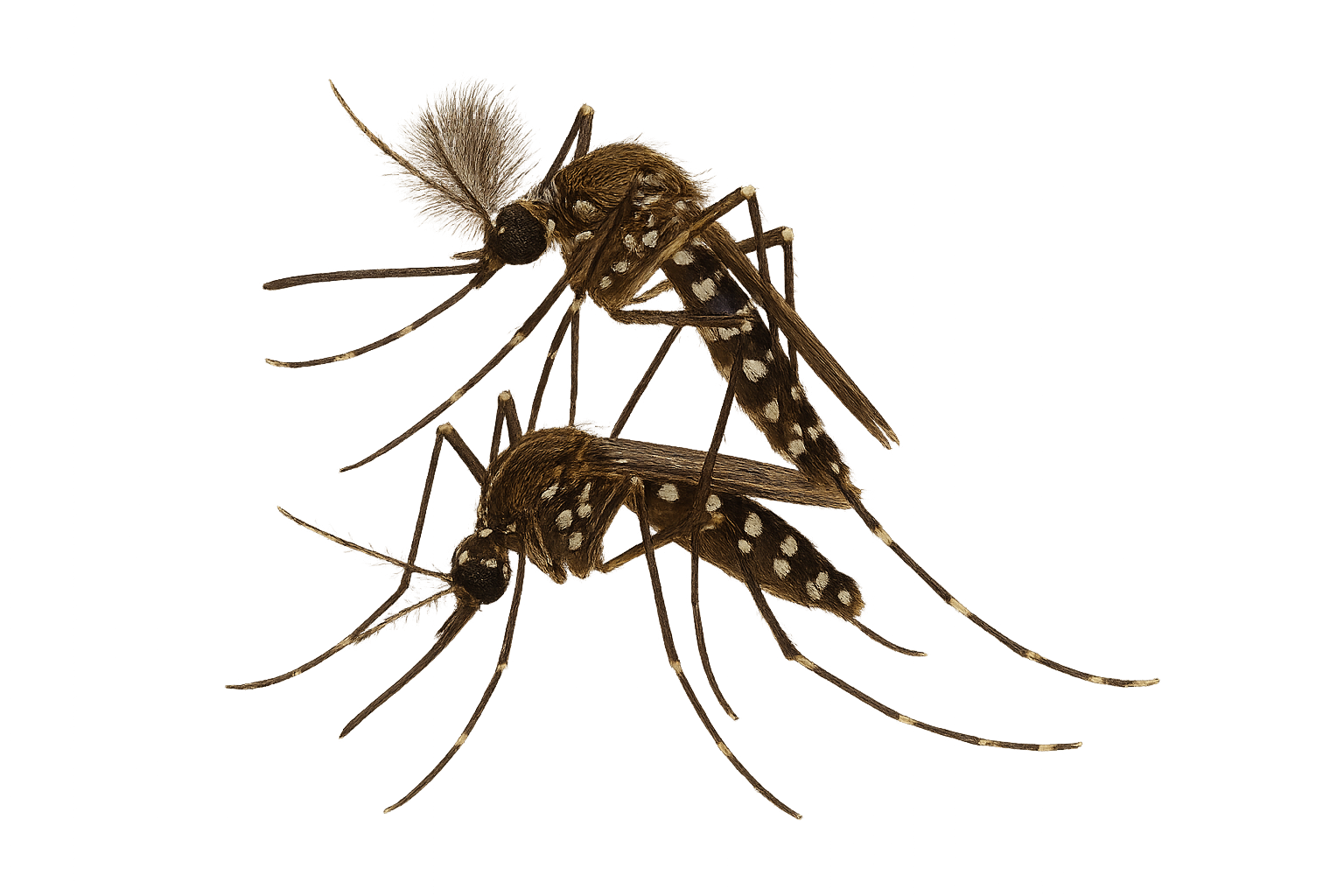

It all begins with a swarm
At dusk, male mosquitoes gather in large swarms- a spectacular dance in the air- that attracts females for mating.
Invisible chemical signals called pheromones are released that help females locate and join the swarm
These natural “love signals” are essential for mosquito reproduction and survival, making them a perfect target for science.
Using this discovery, we created a synthetic blend that mimics the natural pheromone with precision.
When mosquitoes are exposed to this blend, their behavior is disrupted, leading to lesser mating— a breakthrough that opens the door to safer, eco-friendly mosquito control.
Lab studies and field trials across different countries confirmed that exposure to our synthetic pheromone blend significantly reduces mosquito activity and mating success
By turning mosquitoes’ own biology against them, we’ve transformed a mating cue into a powerful tool for protection.
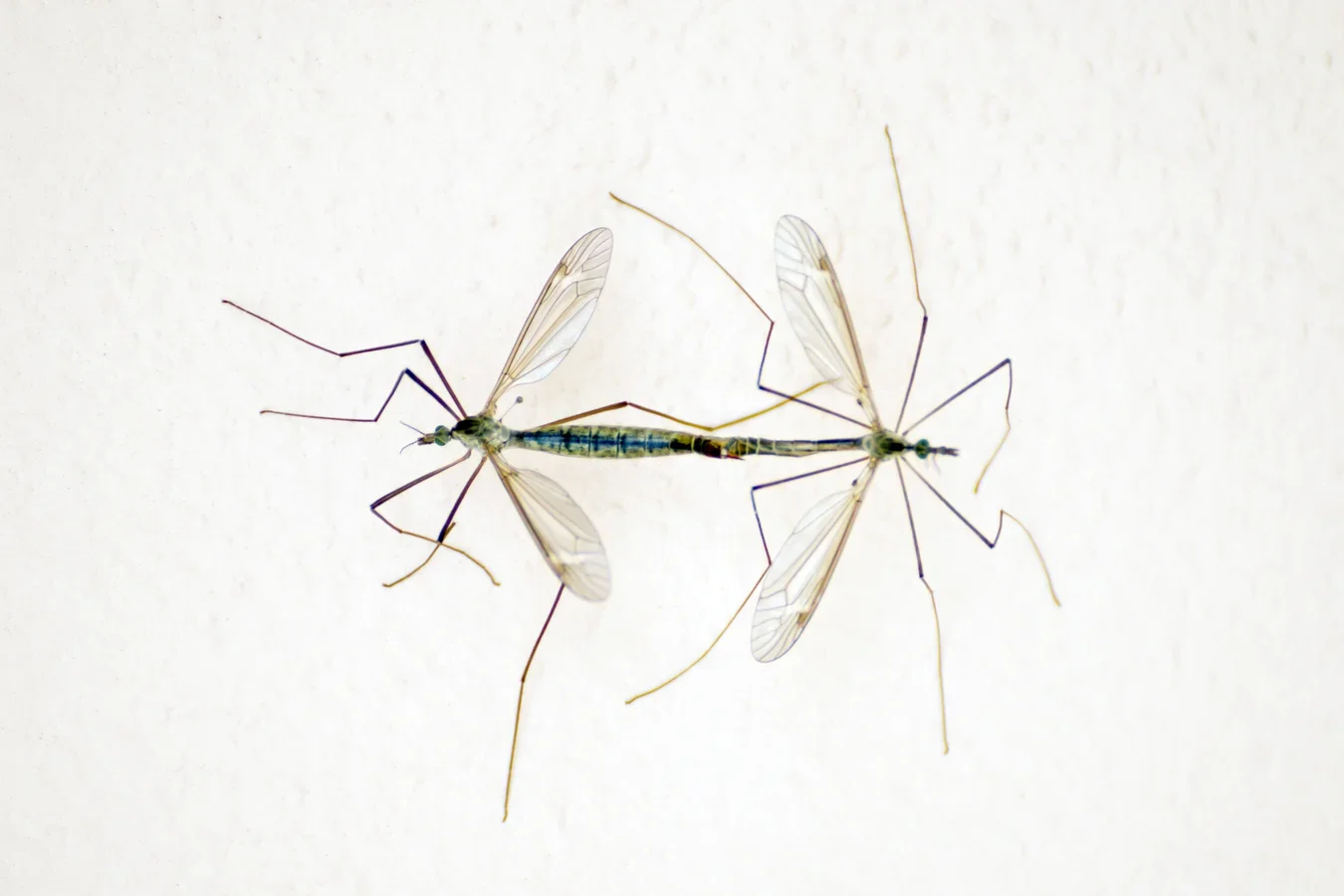
Our patented pheromone blend is highly mosquito specific
Field trials across multiple countries have consistently demonstrated that our pheromone blend affects Anopheles, Aedes, and Culex mosquitoes, with no impact on other insect species.
The pheromone blend targets only mosquito species, ensuring maximum impact on disease vectors without disrupting non-target insects
By safeguarding pollinators and other ecologically important species, we provide a sustainable solution that protects both human health and environmental balance.

Publications + Patents
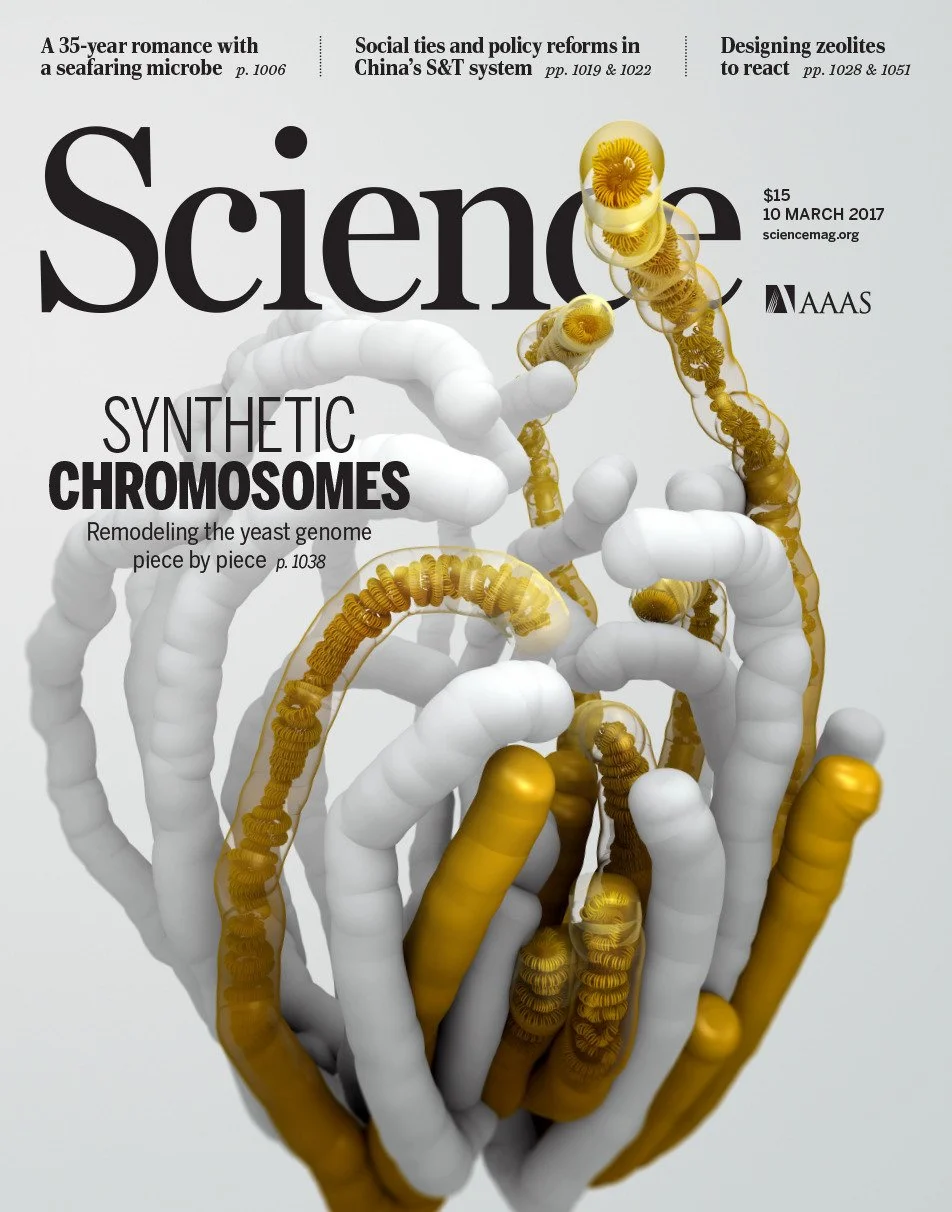
In this paper we describe how we have discovered a malaria metabolite that manipulates mosquito behavior and physiology to favor parasite transmission. It boosts host-seeking, feeding efficiency, and infection susceptibility, revealing a novel target for intervention.
Main findings
• It increases host-seeking and attraction to humans.
• It accelerates and improves blood feeding success.
• It raises mosquito susceptibility to parasite infection.
• It modulates olfactory and immune pathways.
• It represents a parasite strategy to enhance transmission.
• It is a potential target for disrupting parasite–vector interactions.
• It opens new intervention strategies exploiting chemical communication.
S. Noushin Emami, BO. G. Lindberg, Susanna Hua, et al.
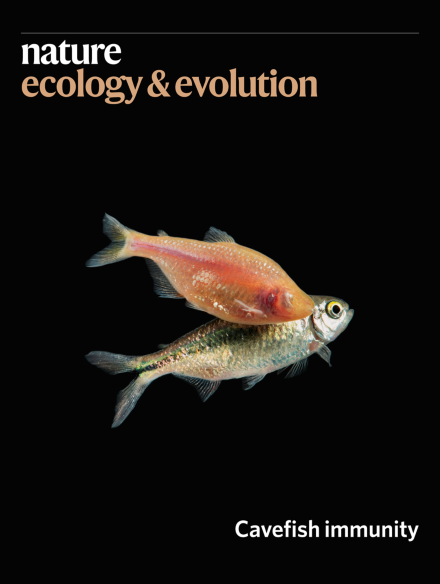
Raimondas Mozuraitis, Melika Hajkazemian, Jacek W. Zawada, et al.
We discovered that male malaria mosquitoes release aggregation pheromones that attract females, boosting mating success. This mechanism is conserved across multiple African vector species and offers a novel target for vector control.
Main findings
• Male swarms emit pheromones detectable by females.
• Pheromones significantly increase female attraction to swarms.
• Female response results in higher mating rates.
• The effect is conserved across several African vector species.
• Identified pheromones act as species-specific cues.
• key driver of mosquito mating system dynamics.
• Provides potential pheromone-based mosquito control.

Viktoria. E. Stormsky, Melika Hajkazemian, Elizabeth Vaisbourd, et al.
Raimondas Mozuraitis, Karsten Cirksena, Mohammad Raftari, et al.
Melika Hajkazemian, Sharon R Hill, Raimondas Mozuraitis, et al.
PHEROMONE PATENT - WO2019197681A1
Mosquito aggregation composition
Abstract
The present invention provides compositions that may act as a aggregation pheromone or a swarming pheromone for mosquitoes, wherein said compositions comprises decanal and optionally one or more of octanal, nonanal, sulcaton, and 3-hydroxy-2-butanone, as well as uses thereof for attracting mosquitoes, vector control, mosquito control, male quality assessment, population surveillance and monitoring, and risk assessment in epidemiological monitoring programmes.
HMBPP PATENT - WO2023057483A1
HMBPP phagostimulant composition
Abstract
There is herein provided a composition comprising: (a) (E)-4-hydroxy-3-methyl-but- 2-enyl pyrophosphate (HMBPP); and (b) a non-natural mosquito substrate comprising one or more components selected from protein, lipid, and nucleic acid. There is also herein provided the use of the compound as a phagostimulant, and products and methods relating to the same.