FACILITIES //
DIVISIONS //
TRIAL SITES //
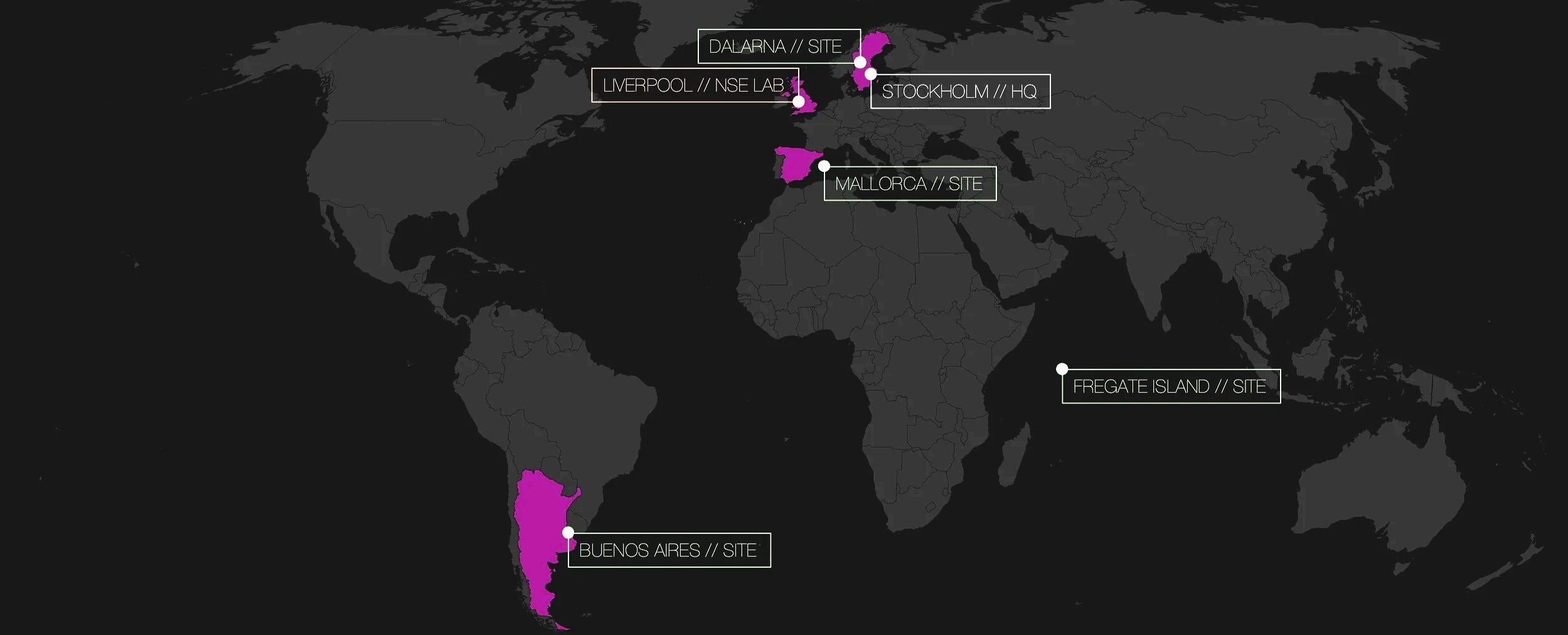
7
LOCATIONS
15+
SCIENTISTS
1mln
MOSQUITOES // YEAR
FACILITIES
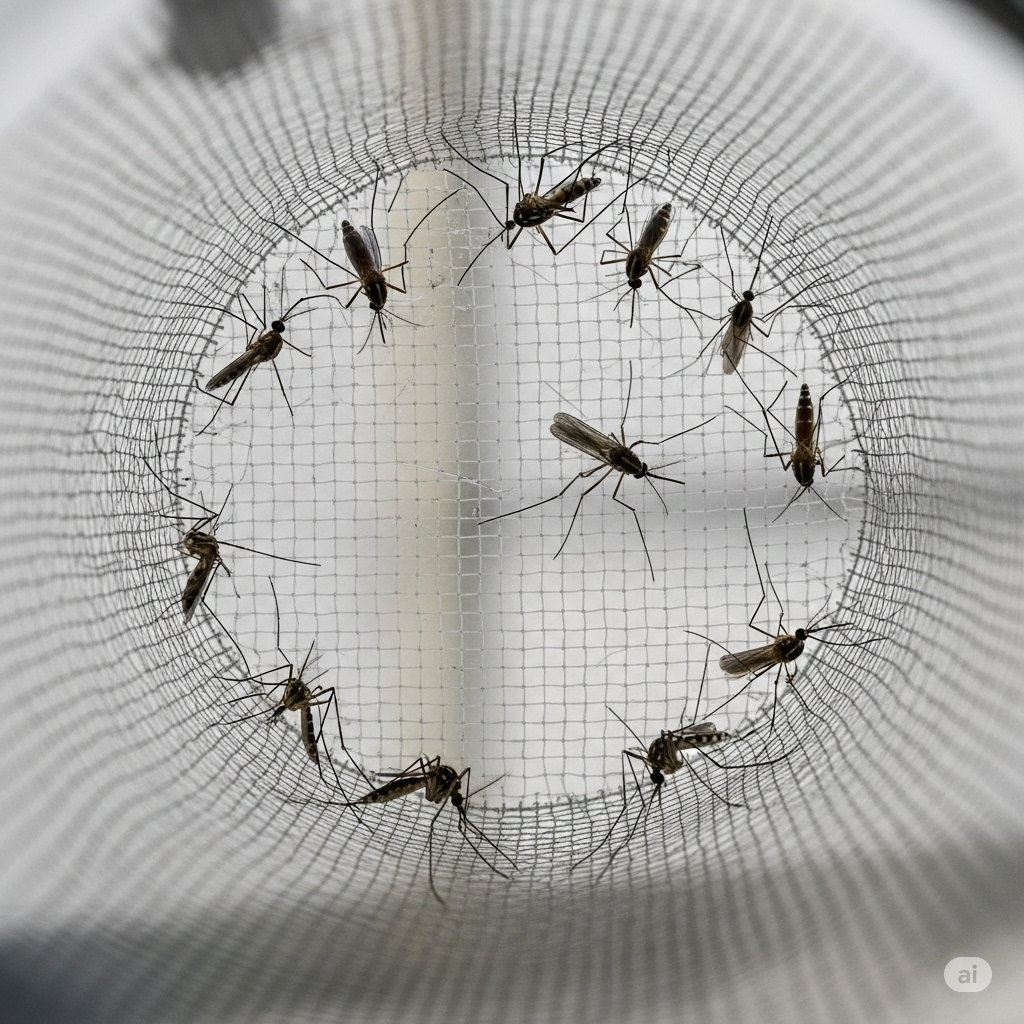
INSECTARY // REARING
~Million Mosquitoes/year
Our insectary facility is designed for continuous, large-scale rearing of tropical and subtropical species like Aedes aegypti, Aedes albopictus, and Anopheles gambiae with tightly controlled contitions.
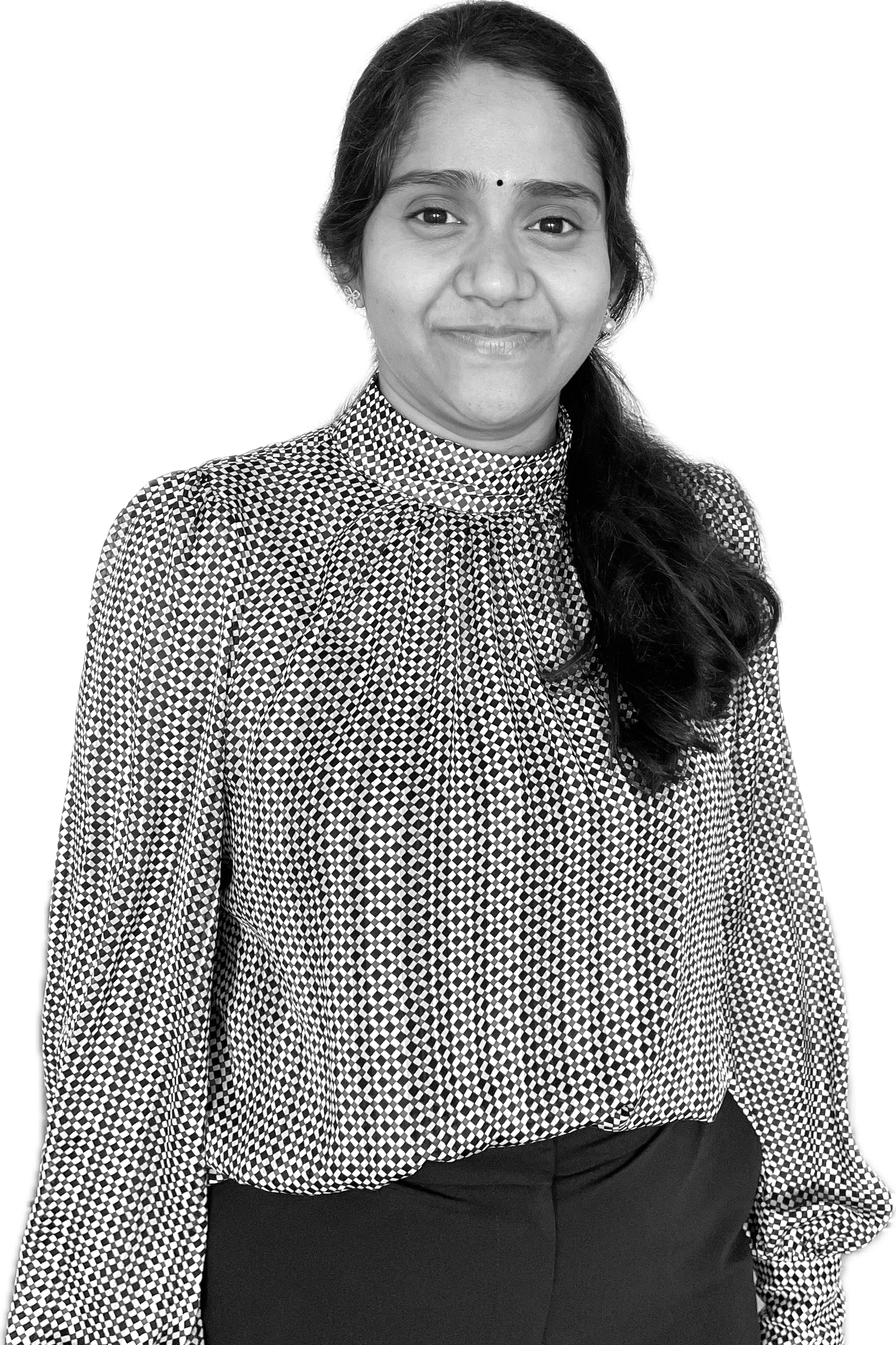
“By maintaining healthy, consistent colonies, we ensure reliable results, drive innovation, and advance global health strategies. We don’t just rear mosquitoes - we enable great research.
I believe that raising mosquitoes today help us protect lives tomorrow.”
NEERAJA VELAGALA
Insectary Lead
DISCOVERY // GC-MS
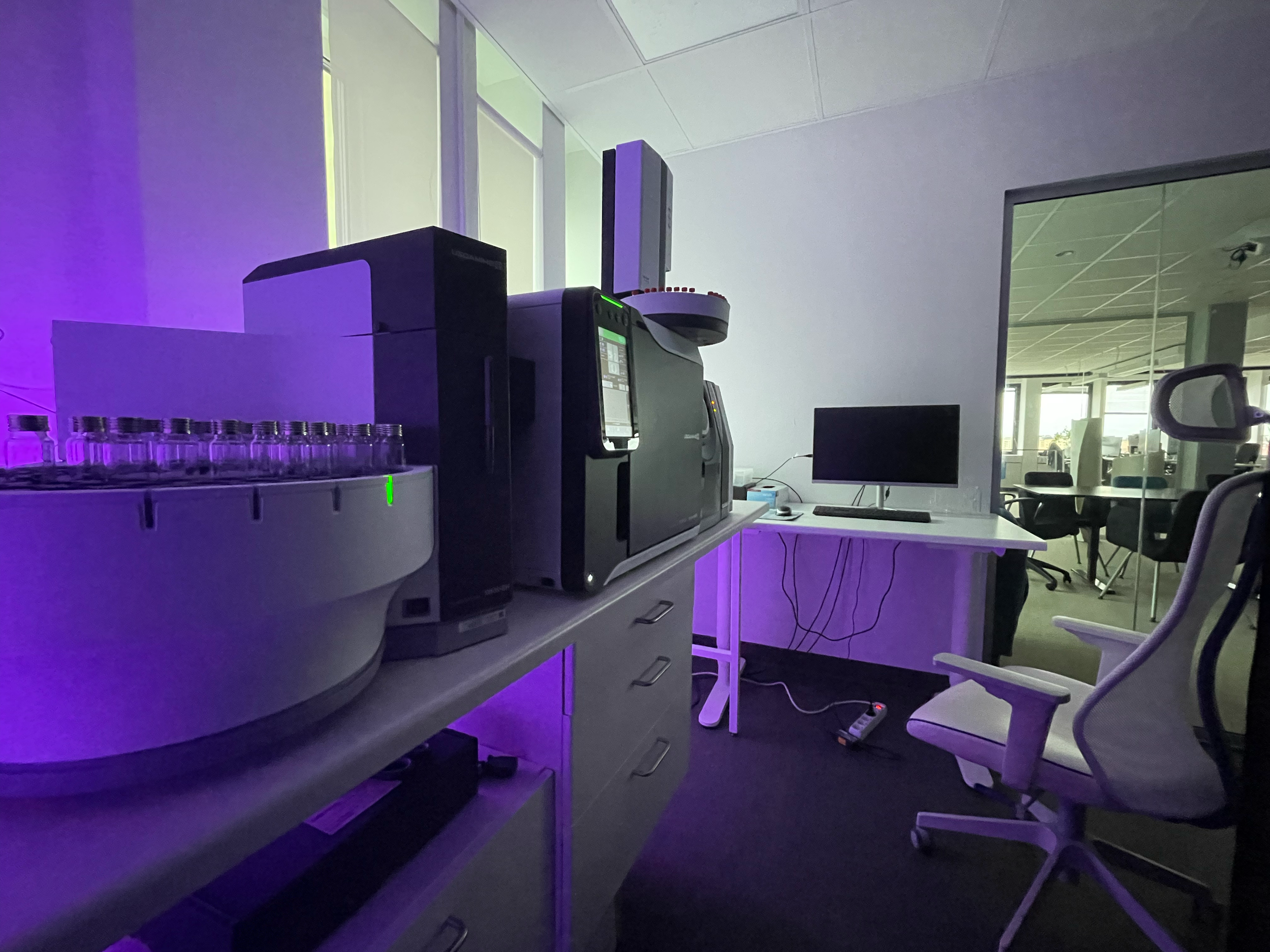
Less than 0.000000000000001 g
With our state of the art laboratory we can identify species-specific pheromones at extremely low levels and engineer VOC blends which mimic exactly the natural pheromones.

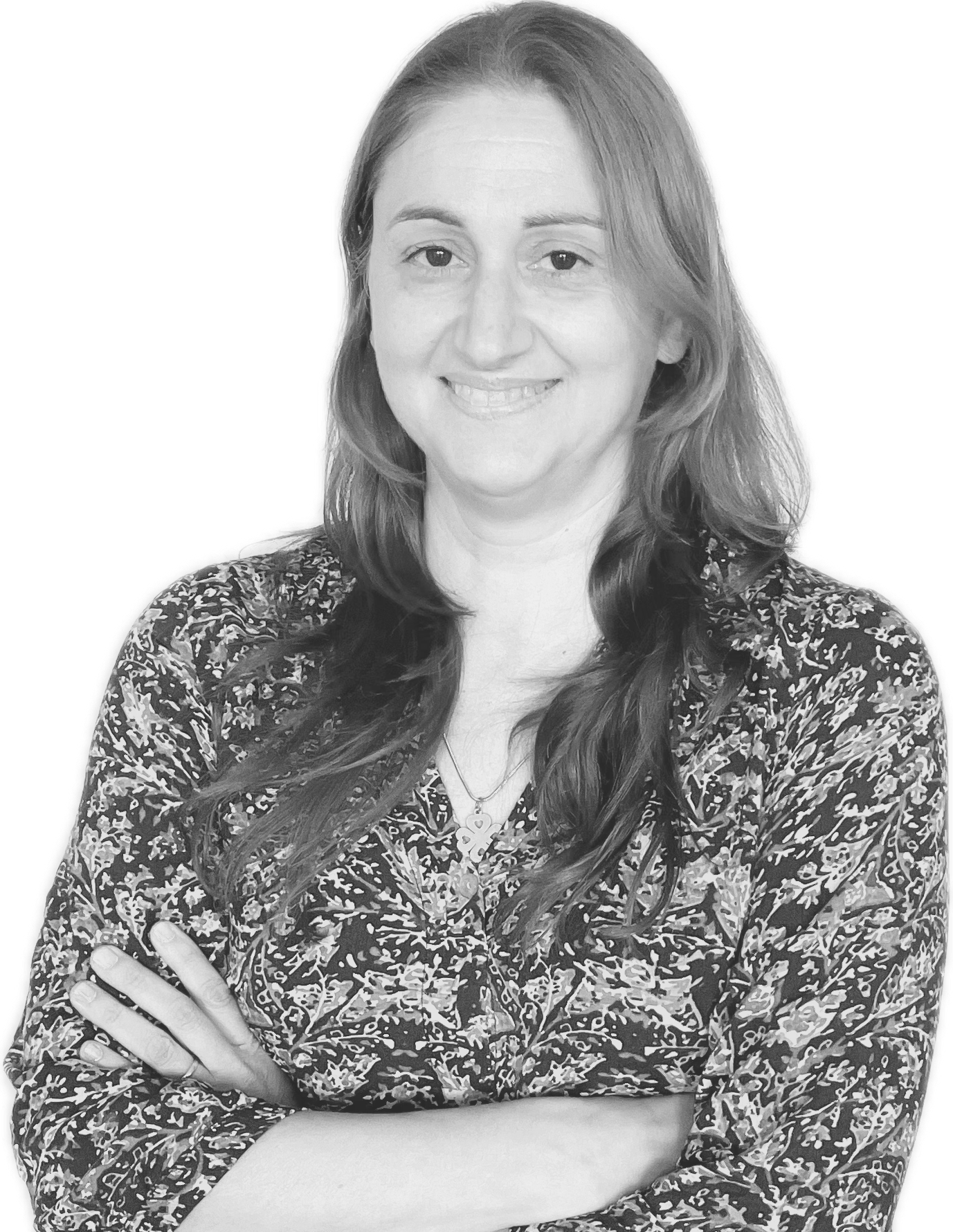
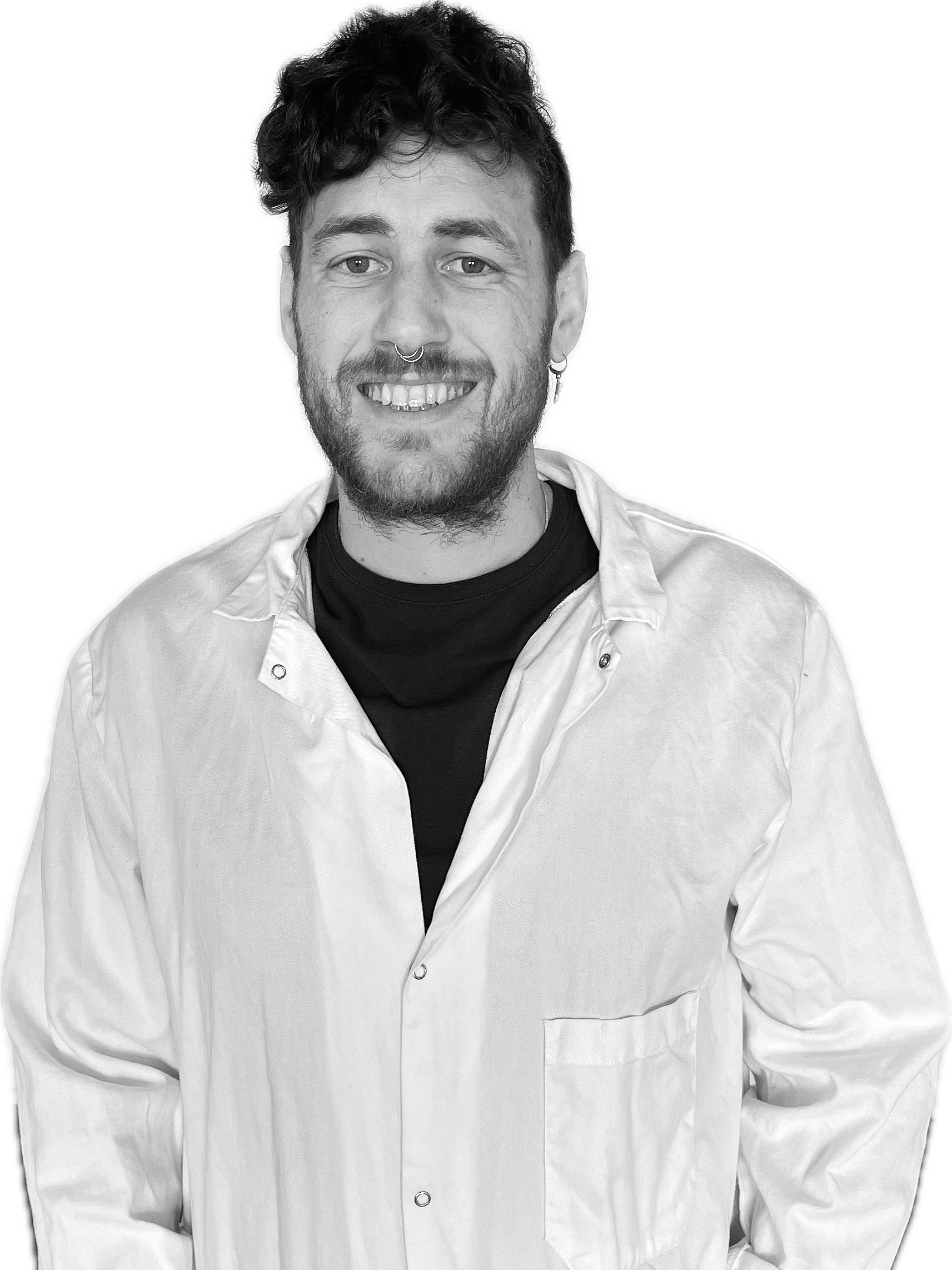
AGUSTIN ALVAREZ COSTA, PhD
Head of GC-MS // Discovery
“Mosquitoes follow extremely low amounts, ratios and timing of scent cues. Not names on a vial. even the smallest changes can result in behavioural flip. We quite literally are involved from AZ in the development process. From early discovery to making sure end product is chemically perfect.”
PROTOTYPING // MANUFACTURING
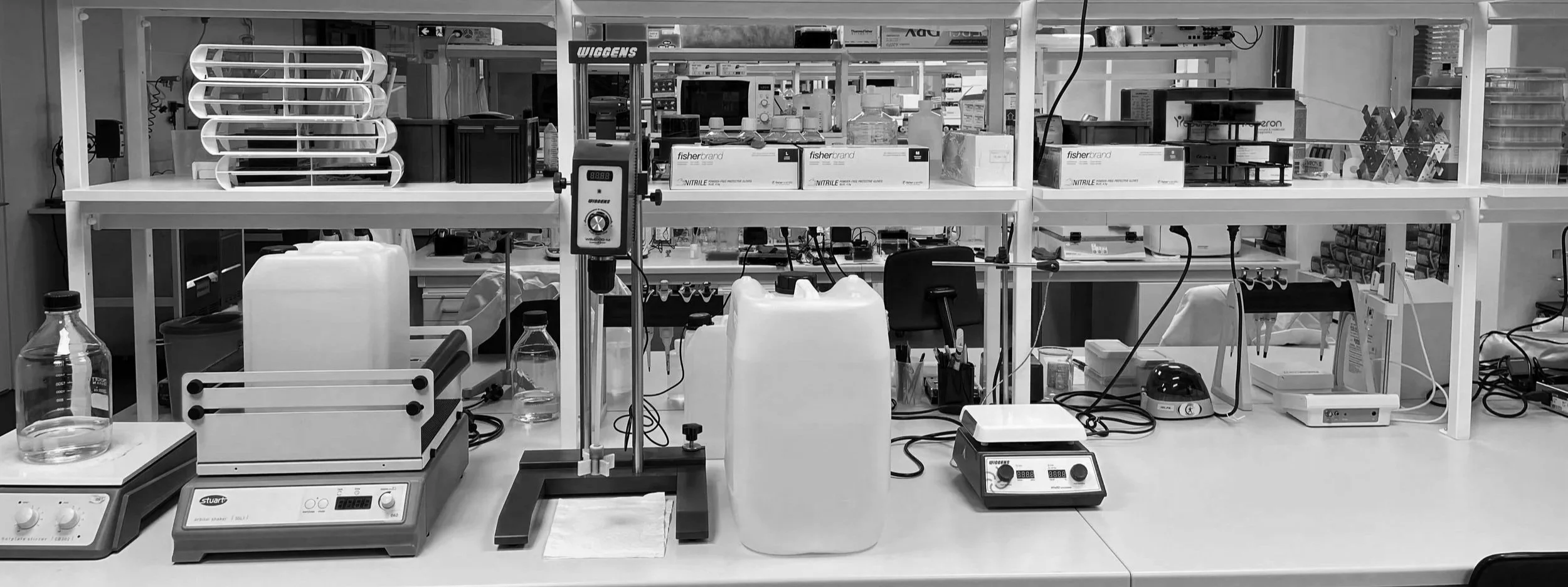
From lab scale to km2
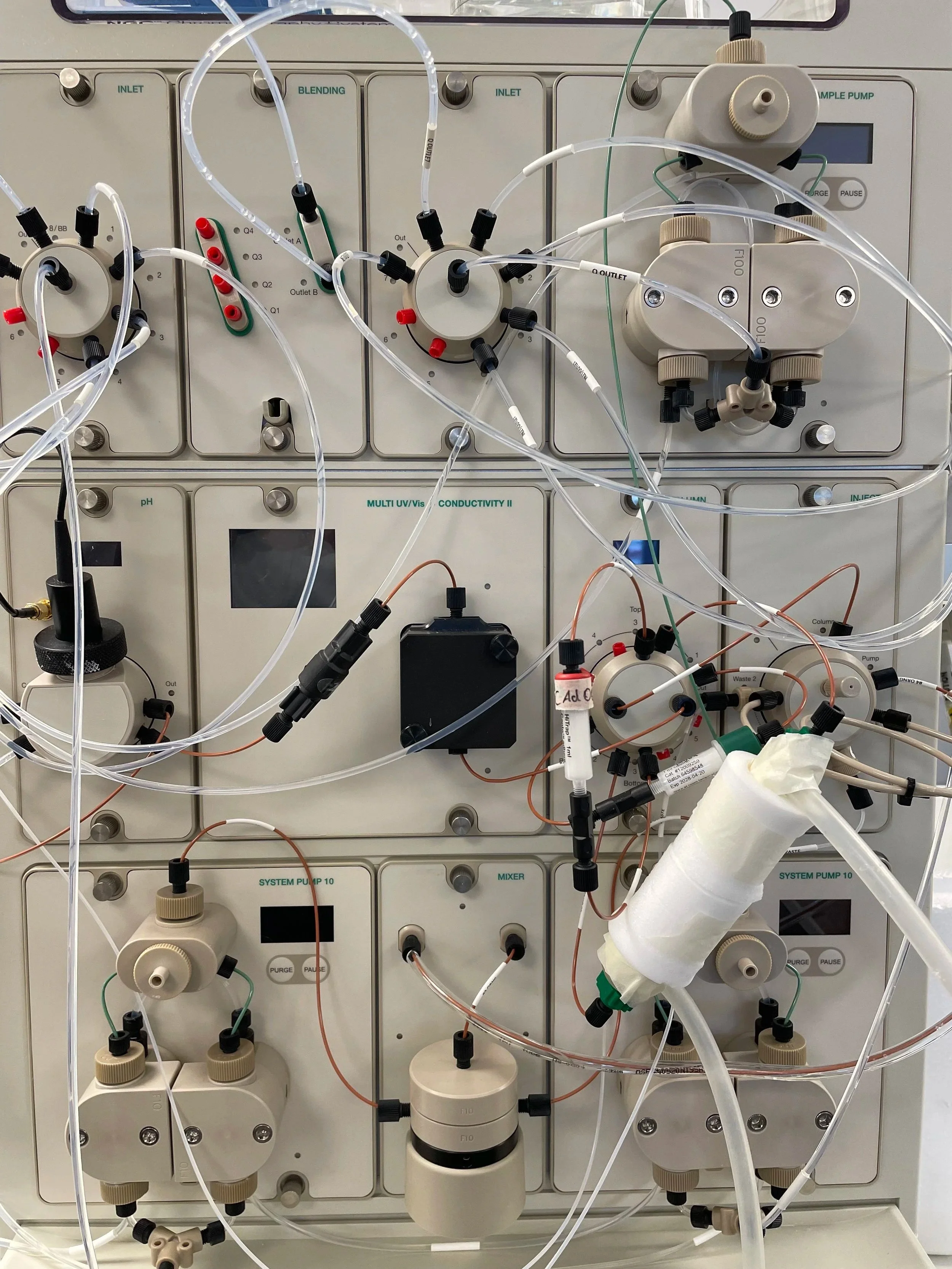
Our prototyping and manufacturing unit bridges the gap between laboratory discovery and real-world deployment. Here, we produce mosquito control prototypes at the scale required for rigorous evaluation—from benchtop fabrication to semi-field and field trials spanning up to hundreds of hectares.
MAGALI MERRIEN, PhD
Scientist
“Manufacturing is where hypotheses become assets. By designing for repeatability, logistics, and unit economics up front, every data point from a 30 ha trial becomes investable evidence. If it can be made reliably, shipped simply, and deployed by non-specialists, it’s on a path from experiment to product.”
VALIDATION // TESTING
Between the lab and the field
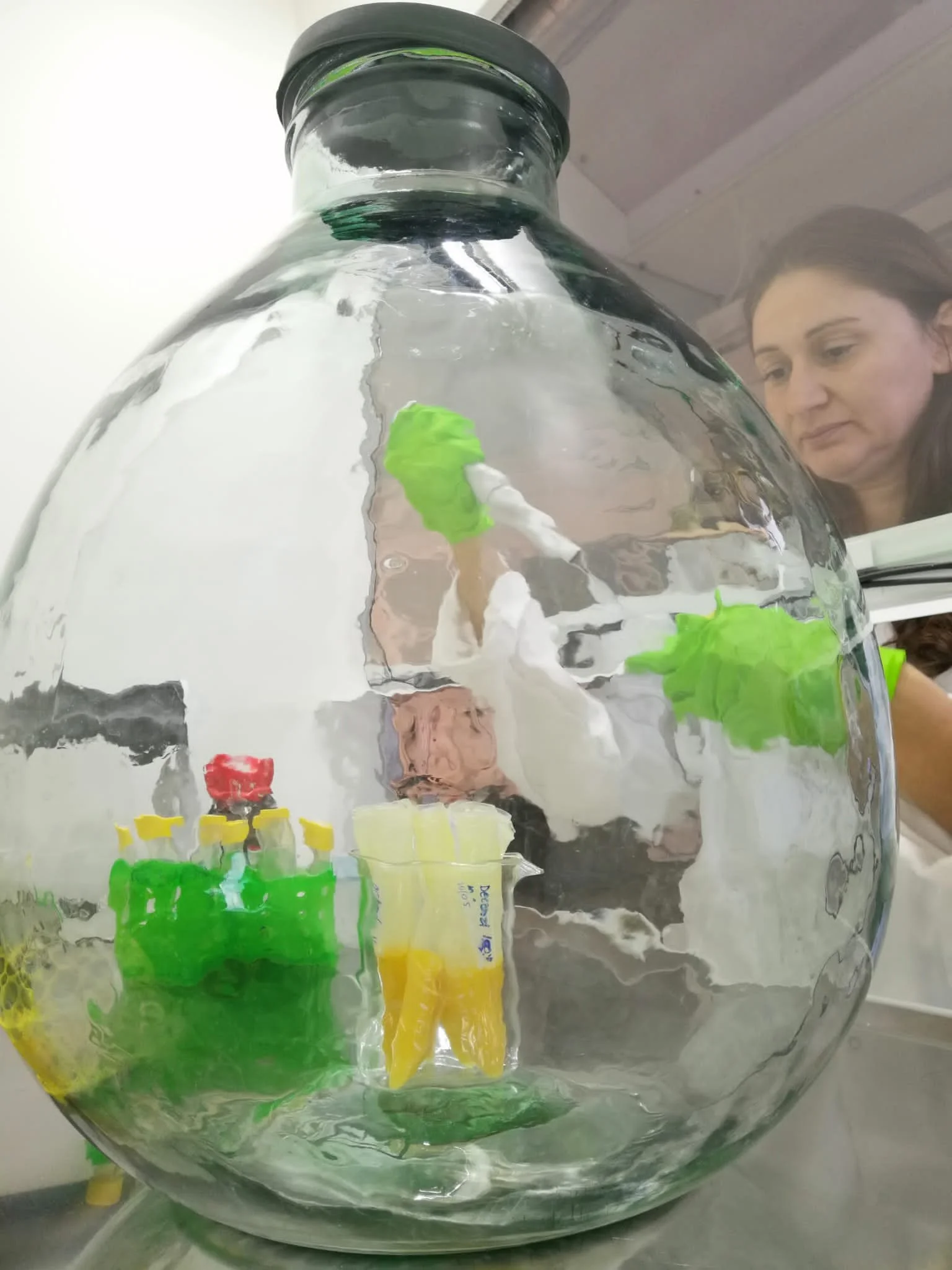
Our testing unit is specially designed to conduct and evaluate prototype performance under controlled laboratory conditions for multiple species and multiple environmental conditions.
“ Our role is to make bad ideas fail fast and cheaply—and good ideas fail rarely. By demanding that prototypes prove their impact under controlled conditions, we turn ‘works once’ into ‘works on demand,’ ensuring that when we scale, we scale confidence, not uncertainty.“
RAHUL KRISHNAN
Scientist

NOUSHIN EMAMI labs
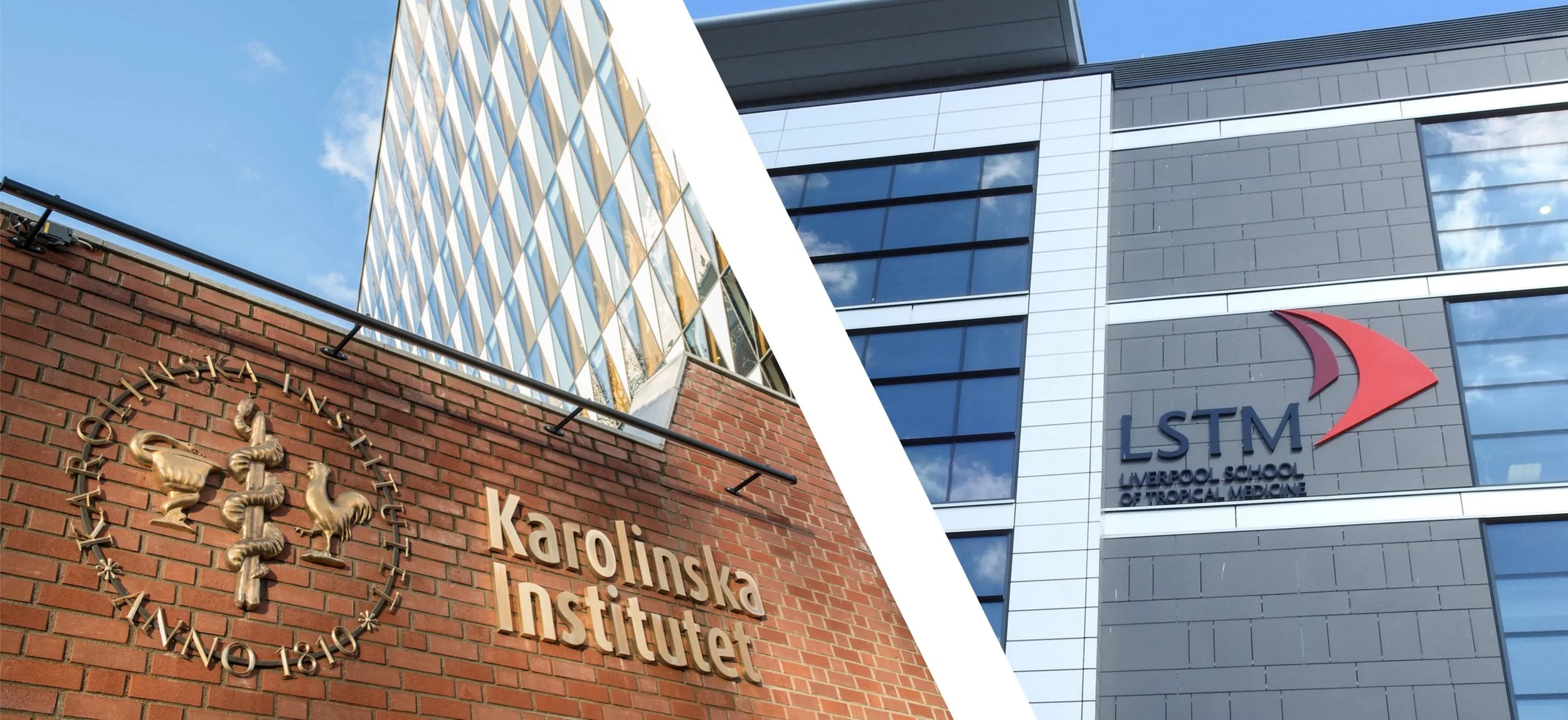
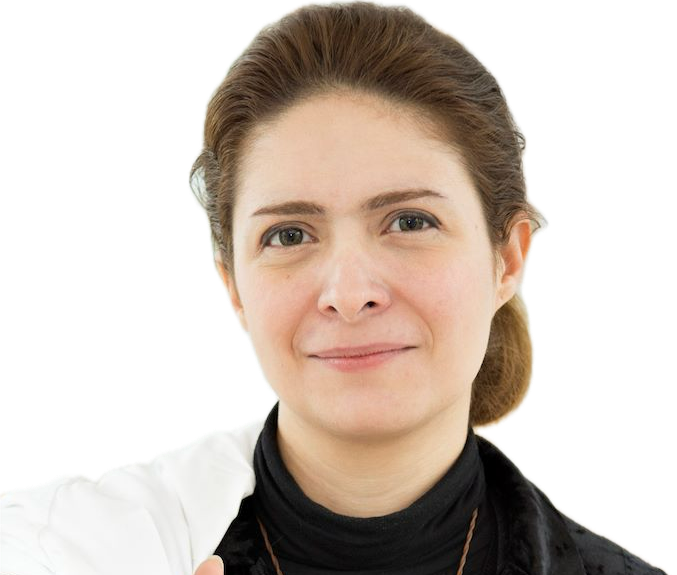
Molecular Attraction is proud to collaborate with the laboratories of our founder, Professor Noushin Emami, based at Karolinska Institute and the Liverpool School of Tropical Medicine. Prof. Emami is a leading authority in medical entomology and mosquito–host interaction biology. Her expertise is central to our mission of developing next-generation, species-specific mosquito control solutions.
Through this partnership, our joint research efforts support a multidisciplinary team working at the intersection of vector biology, olfactory signalling, and pathogen transmission.
///// FIELD SITES /////
-
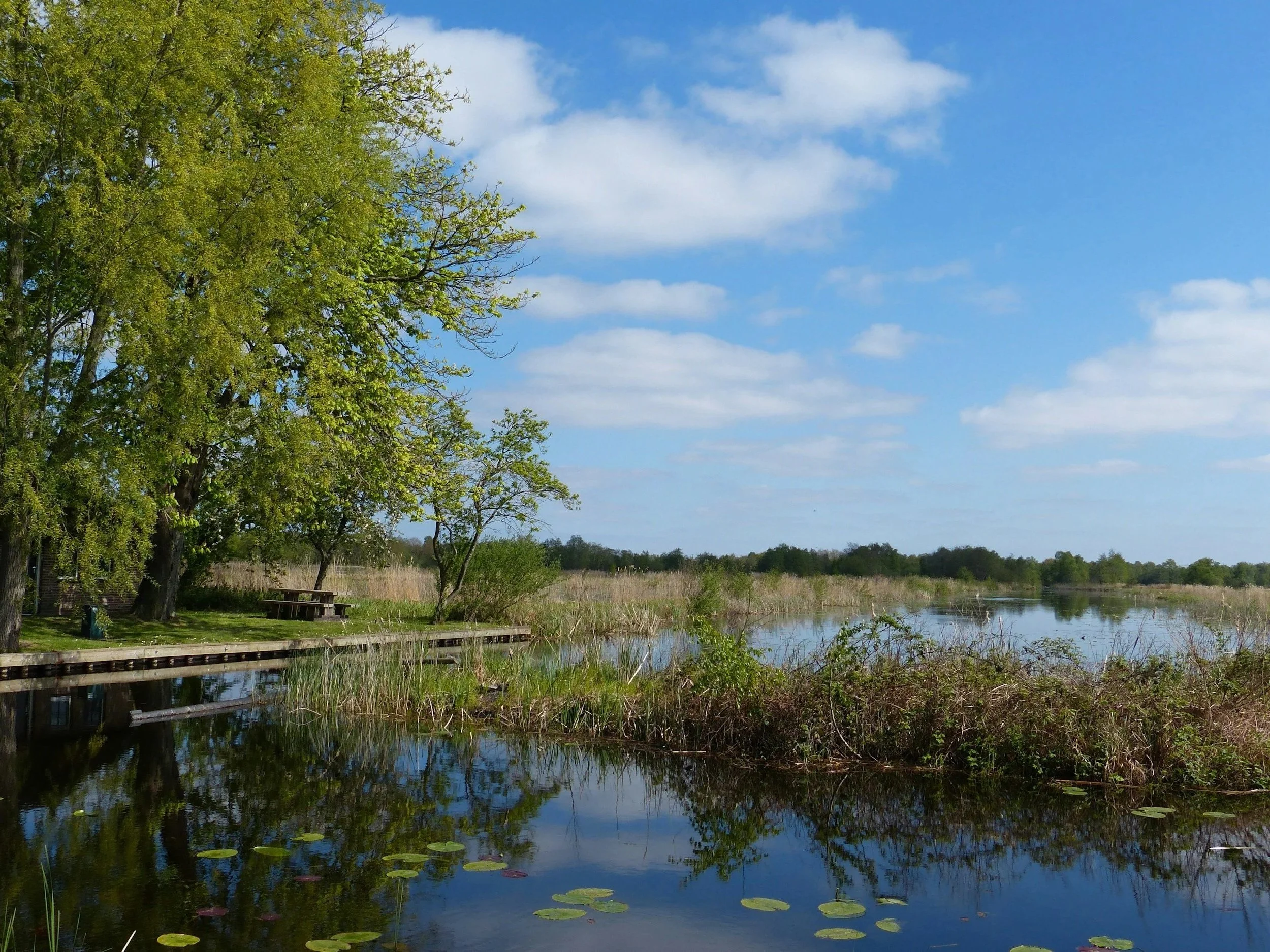
![DALARNA]()
DALARNA
Country: Sweden
Latitude: 60° North
Test area: 45 hectars
Terrain: Nordic Marsh Forest
Mosquito genus: Aedes, Culex, Anopheles
-
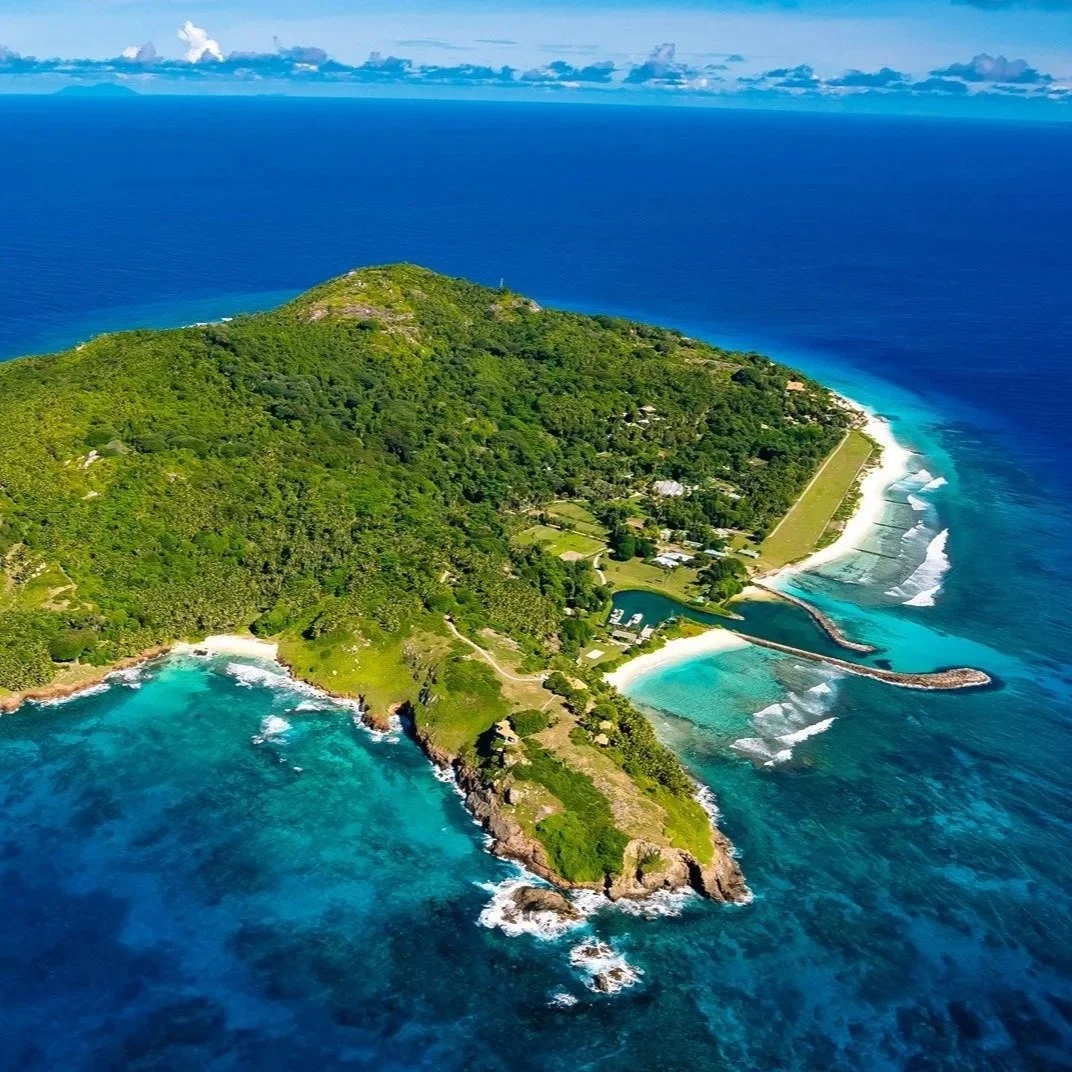
![A tropical island with lush green vegetation, white sandy beaches, and surrounding turquoise blue waters.]()
FREGATE ISLAND
Country: Seychelles
Latitude: 4° South
Test area: 30 hectars
Terrain: Tropical Forest
Mosquito genus: Aedes, Culex
-
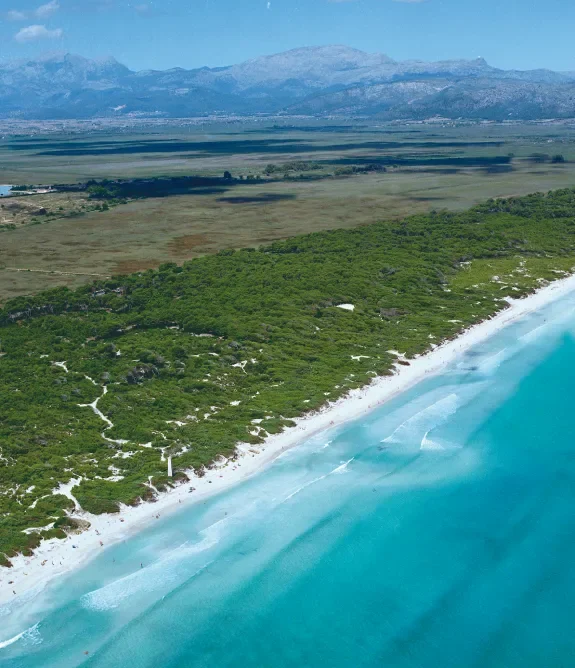
![Aerial view of a coastline with white sandy beach, green vegetation, and turquoise ocean waves, with mountains in the distance.]()
MALLORCA
Country: Spain
Latitude: 39° North
Test area: 22 hectars
Terrain: Urban / Wetlands
Mosquito genus: Aedes, Culex
-
![Aerial view of a bustling city street lined with tall buildings, green trees, crosswalks, and cars during daytime.]()
BUENOS AIRES
Country: Argentina
Latitude: 35° South
Test area: 15 hectars
Terrain: Urban
Mosquito genus: Aedes




Early Access Partnership Program
“We work closely with the clients, users and institutions who face the challenges of pest control in sustainable and environmentally friendly manner.
From field trials, through academic research to usability and community engagement.
We believe that their input on the design, implementation, handling and other features is critical for the products to serve us all effectively.“
CARINA OLIVERA, PhD
Partnerships and Trials Manager